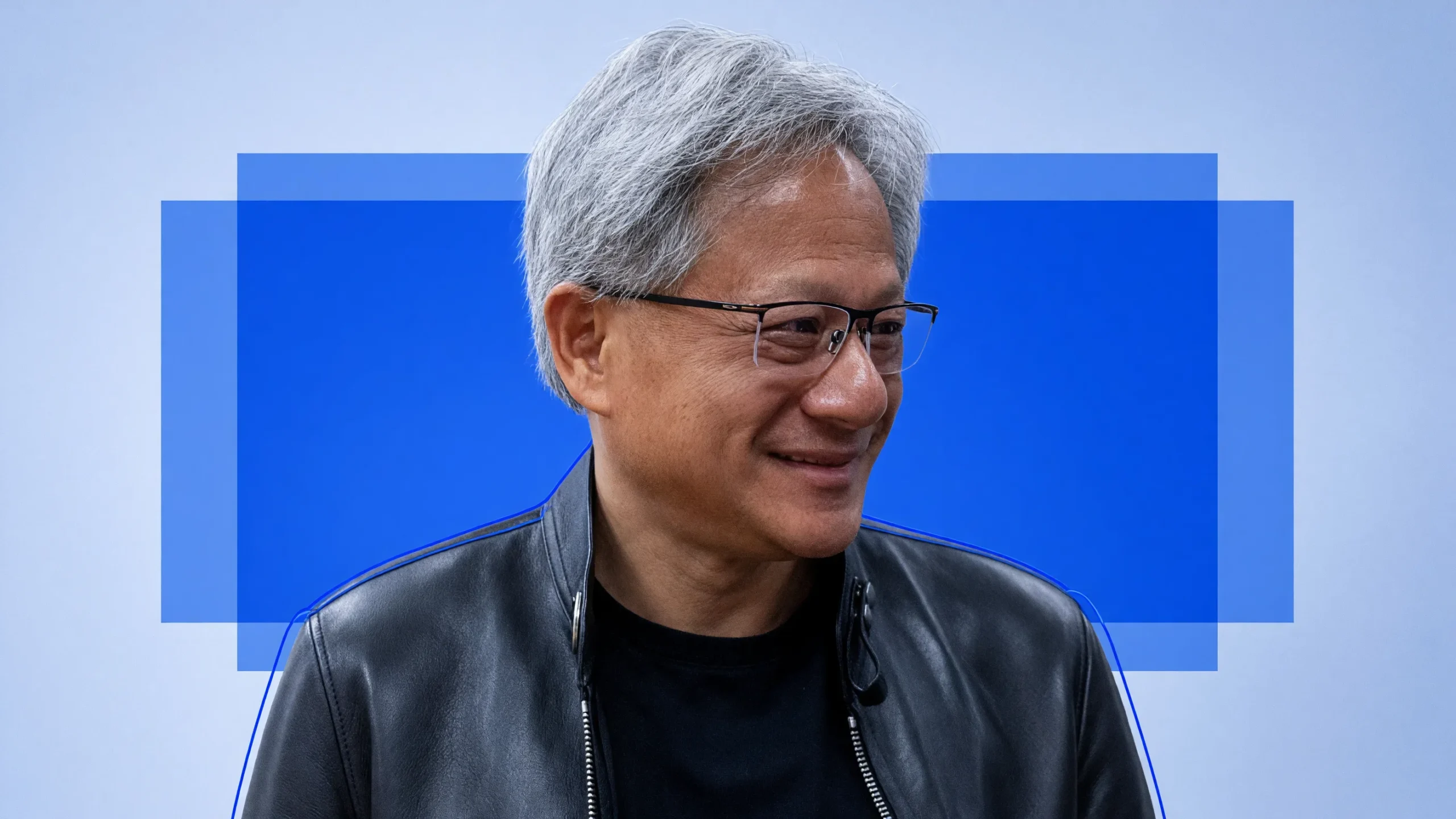
Presidential Intervention in Corporate Governance
In a recent candid interview with The Wall Street Journal, former United States President Donald Trump revealed that he actively lobbied members of Nvidia Corporation’s board of directors to facilitate the reinstatement of Chief Executive Officer Jensen Huang. Trump explained that he leveraged concerns surrounding the semiconductor giant’s declining share price to advocate for Huang’s return to executive leadership, despite an active and open independent inquiry being conducted by the board at the time.
The statements highlight an extraordinary crossover between prominent political figures and high-stakes corporate governance within the global technology sector. Nvidia, which has surged to the forefront of the global economy as the primary architect of hardware powering modern artificial intelligence, has found itself under intense public, regulatory, and market scrutiny. The revelation that political lobbying occurred during a sensitive boardroom decision raises significant questions regarding executive independence and market pressures.
Stock Volatility and Boardroom Pressures
The campaign to advocate for Huang’s reinstatement unfolded against a backdrop of acute market instability for Nvidia. A noticeable drop in the company’s equity valuation had heightened anxiety among institutional investors and corporate directors alike. According to Trump’s account, the downward trajectory of the stock created strategic leverage, allowing him to argue that Huang’s visionary leadership was essential for restoring investor confidence and operational stability.
Several critical factors defined this pivotal moment for the technology giant:
- Market Valuation Pressures: A decline in Nvidia’s stock price put pressure on board members seeking to stabilize financial performance and shareholder sentiment.
- Ongoing Independent Inquiry: The decision by the board to reinstate Huang occurred prior to the official conclusion of an internal evaluation into corporate oversight.
- Leadership Continuity: Supporters of Huang argued that his guidance was indispensable to maintaining Nvidia’s competitive edge in the rapidly evolving AI hardware marketplace.
Corporate governance guidelines generally dictate that boards of directors act with strict independence, guided primarily by their fiduciary obligations to shareholders. However, high-profile external advocacy can introduce unique dynamics when executive leadership decisions are debated during periods of financial stress.
The Central Role of Nvidia in the Global AI Race
Under Jensen Huang’s leadership, Nvidia transformed from a graphics processing unit manufacturer focused on computer gaming into one of the most valuable public companies in world history. By anticipating the computational requirements of deep learning and artificial intelligence years before mainstream adoption, Huang positioned the firm as an indispensable supplier to tech giants, research institutions, and national infrastructure projects globally.
This unprecedented dominance has made Nvidia’s governance a matter of broad economic interest. Delays or disruptions in executive management can ripple through international tech supply chains, affecting hardware deployment, cloud computing infrastructure, and software development. Consequently, leadership stability at Nvidia carries weight far beyond traditional corporate boundaries, drawing attention from economic policymakers and global political leaders.
Implications for Board Independence and Compliance
The intersection of political commentary and corporate decision-making presents complex dilemmas for institutional governance standards. Independent inquiries conducted by corporate boards are intended to provide objective, unvarnished assessments of management practices, internal controls, and executive conduct. When external political figures attempt to influence boardroom outcomes during active reviews, it creates governance challenges for directors tasked with maintaining impartial oversight.
Governance experts and legal analysts highlight key considerations arising from such interactions:
- Fiduciary Responsibilities: Directors must ensure that executive decisions are driven by thorough internal reviews rather than political or market pressure.
- Regulatory Scrutiny: Prominent external involvement in corporate governance matters can attract additional oversight from regulatory authorities such as the Securities and Exchange Commission.
- Shareholder Transparency: Transparent communication regarding board decisions and executive inquiries remains critical to retaining global market confidence.
For publicly traded enterprises, balancing external market expectations with internal regulatory compliance requires strict adherence to corporate bylaws and legal frameworks.
Conclusion
Donald Trump’s disclosure of his communications with Nvidia’s leadership underscores the deep connections between political influence, market dynamics, and tech sector leadership. As Nvidia continues to navigate intense global demand for AI infrastructure, the balance between strategic executive vision and rigorous corporate governance will remain paramount for the company’s long-term stability and investor trust.
