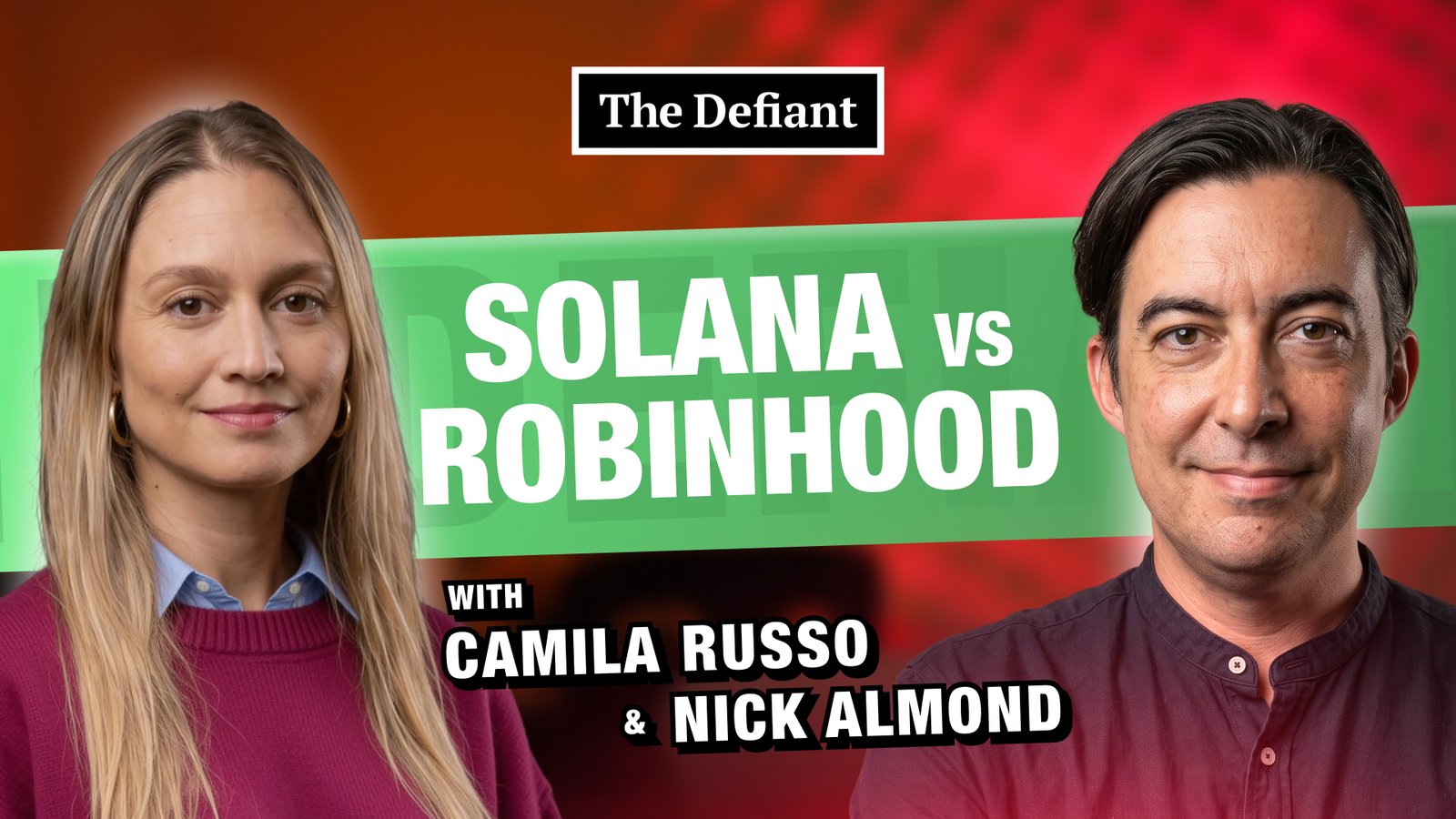
Democratizing Solana Governance: A Watershed Moment
In what industry observers are calling a major milestone for the ecosystem, the Solana network has executed its first truly inclusive on-chain governance vote. Moving beyond traditional systems where voting power was restricted primarily to network validators, this landmark referendum allowed any holder of native SOL tokens to participate directly. The wide-ranging ballot addressed fundamental aspects of the network's future, including its constitutional guidelines, long-term inflation dynamics, and transaction fee structures.
This shift toward direct token-holder participation represents a pivotal evolution in Solana's journey toward decentralized decision-making. Historically, layer-1 blockchains have struggled to balance network efficiency with broad community participation. By opening up constitutional voting to the broader community, Solana aims to foster greater alignment between validator node operators, application developers, and retail token holders.
How Liquid Staking Shaped the Election Outcome
Despite the opening of voting power to all SOL holders, the results proved to be extraordinarily tight. The decisive factor in this closely contested vote came down to institutional liquid staking mechanics—specifically through Jito Foundation's liquid staking token, JitoSOL.
According to Nick Almond, Head of Governance at the Jito Foundation, a special governance override mechanism within the JitoSOL protocol ultimately tipped the scales. Liquid staking protocols aggregate immense voting weight by pooling deposited SOL. When individual delegators or protocol mechanisms exercise their voting overrides, they can shift substantial blocks of votes instantly. Almond noted that JitoSOL's participation mechanism proved crucial in navigating the split consensus among voters, highlighting both the power and complexity that liquid staking derivatives bring to blockchain governance.
Key takeaways from the vote include:
- Direct Citizen Participation: SOL holders bypassed validator delegation to register individual preferences on core protocol parameters.
- Constitutional Alignment: Voters considered formal guidelines governing network changes, inflation rate adjustments, and fee distribution models.
- Liquid Staking Influence: Liquid staking platforms demonstrated their capacity to act as decisive voting blocs during highly contentious network decisions.
Validator Revenue Headwinds: The 87% Plunge
The governance milestone arrives at a precarious financial moment for the infrastructure operators who maintain the network. Solana validators are currently grappling with severe economic pressures, marked by a reported 87% collapse in total revenues. This sharp decline in earnings stems from a combination of changing fee dynamics, reduced baseline transaction volumes, and fluctuating maximal extractable value (MEV) opportunities.
Running a high-throughput validator node on Solana requires substantial hardware investments, high-bandwidth connections, and constant operational maintenance. With revenues falling dramatically, smaller independent validators face shrinking profit margins, raising concerns over potential node consolidation and long-term hardware decentralization. The recent governance proposals regarding network fees and inflation are directly connected to these operational realities, as stakeholders seek sustainable models to compensate operators without burdening users with excessive costs.
Robinhood’s Crypto Push: Competition in the Retail Sphere
Compounding the internal financial strain on validators is growing external competition in the retail trading segment. Solana has long held a dominant position as the primary playground for retail crypto trading, rapid token issuance, and high-frequency meme coin trading due to its sub-second finality and negligible transaction costs.
However, mainstream financial giant Robinhood is actively expanding its presence in the decentralized asset ecosystem. By developing streamlined trading interfaces and launching proprietary blockchain initiatives, Robinhood aims to capture a larger share of the speculative asset and meme coin trading activity that historically fueled Solana's fee revenues. This invasion into Solana's core retail turf presents a strategic challenge for the network, forcing developers and stakeholders to innovate beyond low-cost trading velocity.
Looking Ahead: Balancing Growth and Sustainability
The convergence of on-chain governance, validator financial strain, and intensified market competition marks a critical juncture for Solana. While the successful execution of an inclusive on-chain referendum demonstrates growing maturity in community management, the network must address fundamental economic challenges to ensure long-term viability.
As Solana's decentralized governance framework matures, token holders and validators will need to work collaboratively to refine tokenomics, optimize fee distribution, and protect the network's market share. The coming months will test whether this new era of direct voter participation can deliver the swift economic adjustments needed to keep Solana competitive in an increasingly crowded layer-1 landscape.