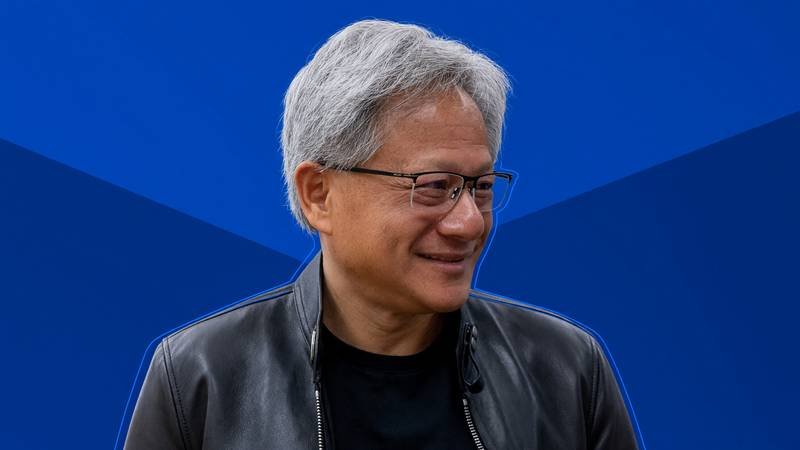
Nvidia Shares Slip Amid Board Inquiry into Executive Conduct
Shares of semiconductor giant Nvidia experienced downward pressure following reports detailing a board-level investigation into an undisclosed romantic relationship involving Chief Executive Officer Jensen Huang and a senior company leader. The revelation, initially reported by The New York Times, has thrust workplace governance and executive accountability into the spotlight at one of the world’s most valuable technology firms.
The report centers on a relationship between Huang and Kimberly Powell, Vice President of Healthcare at Nvidia. Because Powell reports directly to the chief executive, the situation introduces severe workplace-governance and ethical questions concerning potential conflicts of interest, executive privilege, and internal reporting mechanisms within the organization.
Workplace Governance and Reporting Line Conflicts
In modern corporate governance, personal relationships between senior executives and direct reports represent a critical compliance vulnerability. Standard corporate ethics policies among Fortune 500 companies typically require immediate disclosure of any relationship where a power imbalance exists or where one party holds evaluative authority over the other.
When direct reporting lines are involved, companies face significant legal and operational exposure. Key corporate risks associated with undisclosed executive relationships include:
- Conflicts of Interest: Potential bias in compensation decisions, performance evaluations, equity grants, and resource allocation.
- Workplace Morale: Perception among staff that advancement or project funding may be influenced by personal ties rather than performance metrics.
- Legal Liability: Exposure to legal action from stockholders or employees alleging breach of fiduciary duty or unfair work practices.
For Nvidia, an enterprise that has rapidly evolved from a graphics chip designer into the premier infrastructure provider for global artificial intelligence, corporate governance standard operating procedures are subjected to heightened public and regulatory scrutiny.
Scope of the Internal Board Investigation
Nvidia’s board of directors has initiated an internal review to determine whether corporate policies were breached and whether proper disclosure protocols were followed. Board investigations of this nature typically engage outside legal counsel and independent forensic auditing teams to examine communication records, financial approvals, and decision-making trails.
The primary objectives of such board inquiries involve establishing the timeline of the relationship, assessing whether corporate assets or opportunities were improperly utilized, and evaluating whether management complied with Nvidia’s official code of business conduct. Depending on the findings, board action can range from policy updates and formal reprimands to structural management realignments or executive transitions.
Implications for Nvidia’s Market Position and AI Leadership
Jensen Huang is widely regarded as the principal architect of Nvidia’s strategic pivot toward artificial intelligence hardware and software. Under his leadership, the company achieved unprecedented market capitalization growth, driven by dominance in high-performance graphics processing units used for training large language models. Consequently, any operational uncertainty surrounding Huang’s leadership triggers sensitivity across global equity markets.
Investors closely monitor executive stability because corporate leadership transitions during periods of intense industry competition can disrupt operational velocity. Nvidia currently faces fierce competition from semiconductor rivals and hyperscale cloud providers developing custom silicon. A prolonged governance distraction could potentially complicate strategic execution and supply chain negotiations during a pivotal moment for the AI industry.
Historical Context of Executive Scrutiny in Silicon Valley
The situation at Nvidia reflects a broader trend across the technology sector, where boards of directors have increasingly enforced strict oversight regarding personal conduct and internal relationships. Over the past decade, several high-profile chief executives across technology and enterprise sectors have faced board action or resignation following inquiries into undisclosed personal relationships with subordinate employees.
Corporate governance experts emphasize that transparent board responses are essential for preserving investor trust. When boards demonstrate a commitment to enforce ethics policies uniformly, regardless of executive stature, market confidence tends to stabilize faster than when issues are addressed reactively.
Key Summary Points for Market Observers
- Board Inquiry Active: Independent board oversight is currently evaluating the reporting structure and compliance history surrounding the relationship.
- Executive Authority: Jensen Huang remains central to Nvidia’s vision, making governance outcomes highly consequential for market sentiment.
- Institutional Focus: Financial analysts are assessing potential administrative outcomes while monitoring quarterly operational delivery.
Conclusion
As Nvidia navigates this governance challenge, the primary focus for shareholders and industry partners remains on the board’s eventual findings and any remedial actions implemented. While the technology enterprise continues to command market leadership in artificial intelligence hardware, the ongoing investigation highlights the critical importance of strong corporate oversight and institutional compliance even at the pinnacle of corporate success.
