A Shifting Political Calculus for Digital Assets
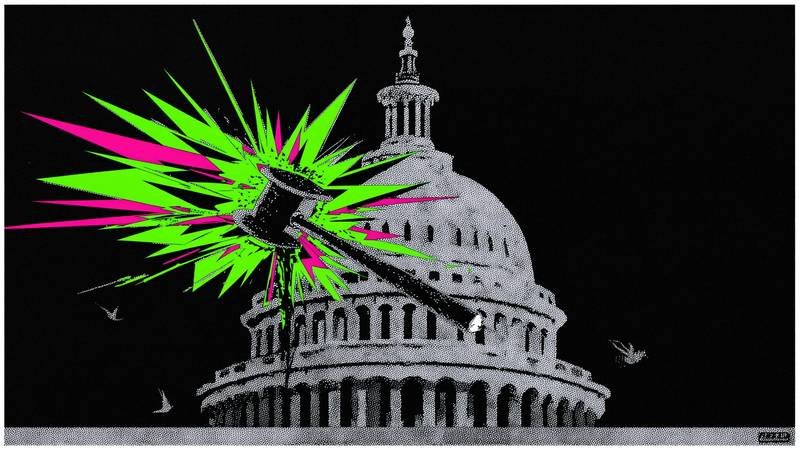
The political landscape in Washington has undergone a pivotal transformation as Democrats secure a majority in the United States House of Representatives. This electoral outcome introduces a fundamental realignment of legislative priorities, setting the stage for a new phase in the ongoing debate over digital asset regulation. As key committee gavels change hands, the cryptocurrency industry faces a fresh set of challenges and opportunities in navigating federal oversight.
Over recent legislative sessions, digital assets emerged as a major point of policy contention on Capitol Hill. The political divide often pitted advocates for rapid innovation against lawmakers urging stringent consumer protections and market safeguards. With Democrats taking control of the House, the balance of power shifts dramatically. The incoming majority gains control over committee agendas, hearing schedules, and legislative markups, giving them unprecedented leverage over the future of financial technology legislation in the United States.
Committee Leadership and Agenda Setting
The shift in House control fundamentally alters the leadership dynamics within critical legislative panels, most notably the House Financial Services Committee and the House Agriculture Committee. These bodies hold primary jurisdiction over digital asset market structure, regulatory agency oversight, and financial innovation policy.
Under Democratic leadership, committee priorities are anticipated to recalibrate around several core themes:
- Consumer and Investor Protection: Heightened emphasis on mitigating market manipulation, enhancing disclosure requirements, and safeguarding retail investors from systemic volatility.
- Anti-Money Laundering (AML) and Counter-Financing of Terrorism (CFT): Expanded scrutiny on decentralized finance protocols, mixer services, and cross-border crypto transactions to enforce strict compliance standards.
- Environmental Impact of Proof-of-Work Mining: Renewed focus on the energy consumption associated with large-scale digital asset mining operations, potentially sparking targeted legislative inquiries or reporting mandates.
- Systemic Risk Oversight: Closer examination of the integration between traditional banking institutions and the digital asset sector to prevent contagion risks.
By determining which bills advance to the House floor and which remain in subcommittee, Democratic leaders now wield powerful gatekeeping authority that will dictate the pace and direction of crypto legislation.
The Stalled Status of the CLARITY Act and Broader Legislation
The shift in House leadership arrives at a critical juncture for pending digital asset legislation. Prior efforts to establish a comprehensive regulatory framework, including high-profile initiatives such as the CLARITY Act and market structure reform proposals, have faced legislative friction. While some measures previously gained traction in the House, the broader legislative pipeline has experienced significant delays, particularly as key bills remain stalled on the Senate floor.
The CLARITY Act, aimed at clarifying jurisdiction between the Securities and Exchange Commission (SEC) and the Commodity Futures Trading Commission (CFTC), now enters a more complex political reality. With House leadership transitioning, any legislative framework must either achieve robust bipartisan consensus or incorporate stronger consumer protection guardrails to secure passage through both chambers.
Policy analysts note that legislative gridlock remains a distinct possibility. If the House and Senate remain divided on fundamental regulatory philosophies—such as the classification of tokens as securities versus commodities—major structural bills could face prolonged stalemates, leaving regulatory clarity largely in the hands of administrative agencies and federal courts.
Intensified Oversight and Federal Agency Interplay
Beyond crafting new laws, Congressional majorities possess formidable oversight powers. The incoming House majority is expected to utilize subpoenas, public hearings, and investigative inquiries to hold both regulatory bodies and industry participants accountable.
Federal regulators, particularly the SEC and CFTC, will find themselves operating under intense legislative oversight. While previous House leadership frequently criticized administrative agencies for relying on enforcement-led regulation, the new majority may offer stronger support for vigorous regulatory enforcement while demanding greater transparency from private firms. Key areas likely to draw Congressional oversight include:
- Stablecoin Reserves and Issuance: Investigating the auditing practices, reserve backing, and operational resilience of major fiat-pegged stablecoin issuers.
- Centralized Exchange Operations: Examining customer asset segregation, internal controls, and conflict-of-interest policies among major trading platforms.
- DeFi and Unhosted Wallets: Evaluating regulatory proposals aimed at extending compliance obligations to non-custodial software developers and decentralized autonomous organizations (DAOs).
Strategic Implications for the Crypto Industry
For digital asset businesses, investors, and advocacy organizations, Democratic control of the House necessitates a strategic pivot. The era of relying primarily on deregulatory or industry-favored legislative drafts has yielded to a policy environment where consumer protection and regulatory compliance take precedence.
Industry advocacy groups are increasingly adapting their strategy by emphasizing bipartisan common ground. Areas such as stablecoin payment regulation and targeted anti-illicit finance measures may offer realistic avenues for bipartisan cooperation, provided industry stakeholders demonstrate a willingness to compromise on oversight mechanisms.
Furthermore, global regulatory developments—such as Europe’s Markets in Crypto-Assets (MiCA) framework—continue to exert external pressure on U.S. lawmakers. Industry representatives are expected to argue that excessive domestic delay or overly restrictive rules could push financial innovation toward foreign jurisdictions, a narrative that may resonate with moderate lawmakers in both parties.
Conclusion: A New Era of Regulatory Scrutiny
The Democratic takeover of the U.S. House of Representatives marks a decisive turning point for American cryptocurrency policy. With incoming leaders controlling legislative flow and committee gavels, the digital asset ecosystem must prepare for an era characterized by rigorous oversight, stringent compliance demands, and heightened legislative accountability. While stalled initiatives like the CLARITY Act highlight the ongoing difficulty of passing comprehensive crypto laws, the new House majority ensures that any future regulatory framework will place investor safeguards and financial stability at its core.
