A Milestone for Everyday Crypto Payments in Japan
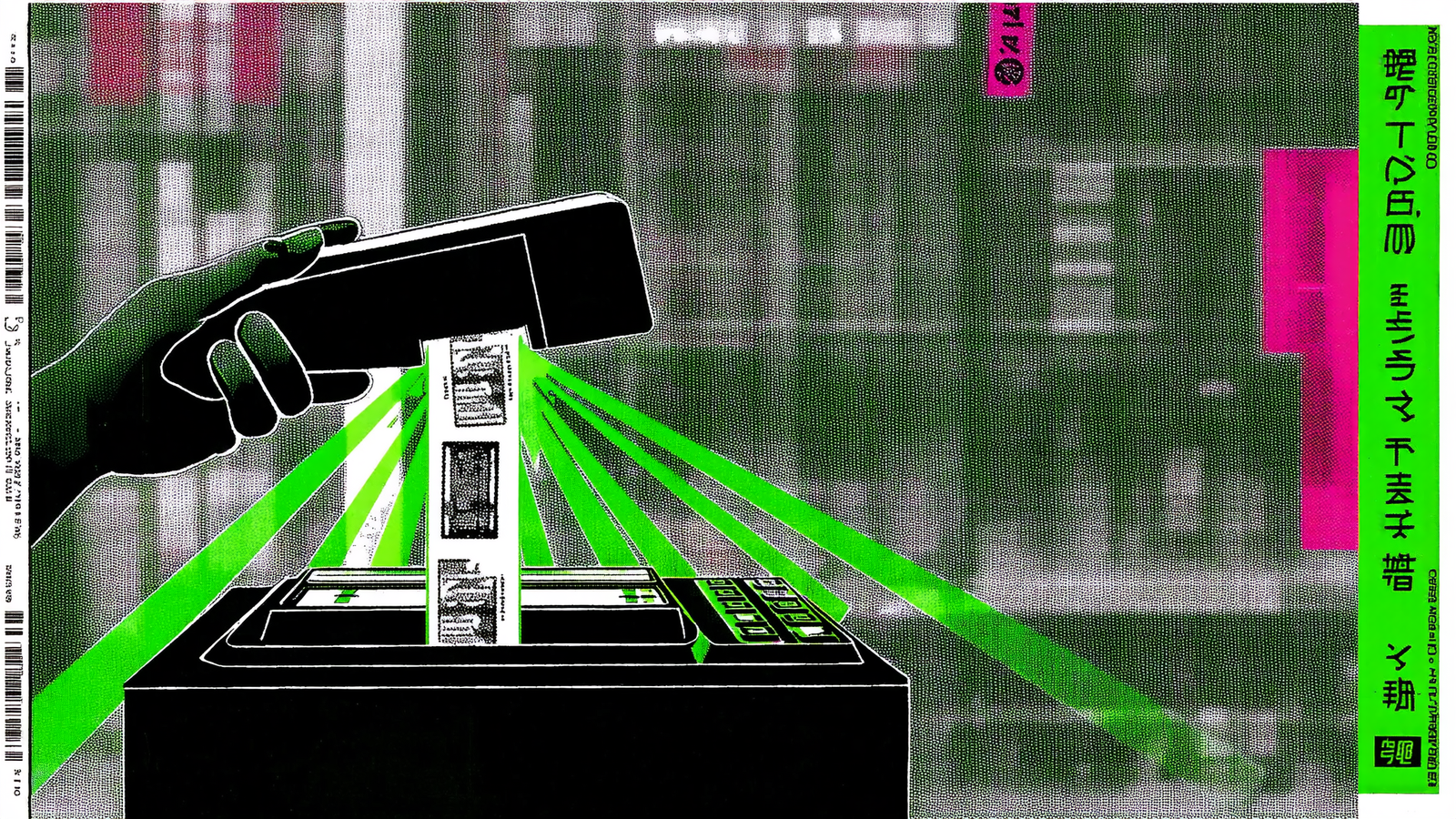
In a tangible demonstration of cryptocurrency moving into mainstream retail, a Lawson convenience store in Tokyo successfully processed a real-world transaction using JPYC, a Japanese yen-pegged stablecoin. On August 6, a customer completed a 322-yen purchase at the Takanawa Gateway City location. Remarkably, the transaction did not require specialized cryptocurrency terminals or standalone hardware. Instead, the payment was handled entirely through the store’s existing point-of-sale (POS) cash register, with the printed paper receipt explicitly marking ‘stablecoin’ as the official payment method.
How Existing POS Infrastructure Enabled the Transaction
The technical architecture underlying this transaction highlights a crucial breakthrough for digital asset adoption: frictionless integration into existing merchant workflows. Rather than forcing retail staff to learn new software or requiring store owners to purchase specialized payment hardware, the transaction leveraged existing checkout systems.
The store utilized HashPort Wallet for Biz combined with the PAYTREE gateway developed by Canal Payment Service. To complete the transaction, the register simply scanned a standard barcode presented on a mobile device. The backend system communicated seamlessly with the payment gateway, converting and settling the JPYC stablecoin payment automatically. For the cashier, the interaction was functionally identical to processing standard Japanese mobile e-money or cashless app payments, such as PayPay or Suica.
Japan’s Regulatory Clarity Sets the Stage
This retail test comes against the backdrop of Japan’s progressive and highly structured regulatory environment for digital assets. Japan was among the first major global economies to enact a comprehensive legal framework for stablecoins when its revised Payment Services Act came into effect in June 2023.
Under Japanese law, stablecoins are categorized into distinct legal structures, including bank-backed digital currencies, licensed trust-issued tokens, and prepaid payment instruments. JPYC, which stands for Japanese Yen Coin, operates under these regulatory definitions to provide a 1:1 yen-equivalent digital asset designed for daily transactions and decentralized finance (DeFi) interactions.
By establishing clear legal parameters early on, Japanese regulators have paved the way for traditional enterprises, financial technology developers, and major retail chains to experiment with blockchain-based payment rails without facing regulatory ambiguity.
Overcoming the Retail Adoption Bottleneck
Historically, cryptocurrency retail adoption has suffered from significant friction points. Merchants are typically hesitant to accept digital currencies due to several major hurdles:
- High costs associated with purchasing and maintaining specialized point-of-sale terminals.
- Staff training burdens required to navigate complex crypto wallet interfaces.
- Volatile transaction processing times and unpredictable network fees.
- Concerns surrounding regulatory compliance and tax reporting for digital assets.
By conducting stablecoin settlement directly through existing registers via standardized barcode scanning, the Lawson trial effectively neutralizes most of these operational barriers. Store employees do not need specialized training, and retail operators can avoid capital expenditure on new hardware. This zero-hardware-upgrade model creates a scalable template for widespread retail integration across thousands of locations nationwide.
Key Corporate Stakeholders in the Ecosystem
The successful proof-of-concept involved multiple influential players within Japan’s corporate and technology sectors:
- Lawson: One of Japan’s premier convenience store franchises, operating over 14,000 stores nationwide. Known for pioneering retail innovation, Lawson provides an ideal testing ground for high-frequency micro-transactions.
- HashPort: A prominent Japanese Web3 developer providing enterprise wallet infrastructure (HashPort Wallet for Biz) designed to bridge enterprise applications with decentralized networks.
- Canal Payment Service: A specialized payment processing provider responsible for the PAYTREE gateway, which connects traditional retail POS hardware with modern digital payment methods.
- JPYC Inc.: The issuer of JPYC, focused on expanding the utility of yen-denominated stablecoins across retail and institutional use cases.
Looking Ahead: The Evolution of Digital Money in Japan
The integration of stablecoins into daily retail commerce represents a pivotal bridge between traditional finance (TradFi) and decentralized Web3 ecosystems. While cashless payments—including credit cards, transit IC cards, and mobile QR codes—already command a significant share of retail transactions in Japan, stablecoin integration offers unique technical advantages.
Blockchain-based settlements can lower backend transaction fees for merchants, offer programmatic capabilities through smart contracts, and enable cross-border interoperability without heavy conversion charges. As private stablecoin initiatives mature alongside ongoing studies into a potential Bank of Japan Central Bank Digital Currency (CBDC), Japanese consumers could soon enjoy an increasingly diversified array of digital currency options for everyday purchases.
Conclusion
The successful 322-yen stablecoin purchase at a Tokyo Lawson store is more than just a novelty transaction—it is a proof-of-concept for the future of frictionless retail payments. By routing JPYC through existing POS registers via established payment gateways like PAYTREE and HashPort’s enterprise wallet, the initiative demonstrates that blockchain technology can seamlessly blend into routine consumer experiences. As testing expands, Japan continues to demonstrate how regulatory clarity and smart infrastructure integration can turn theoretical Web3 capabilities into practical retail realities.