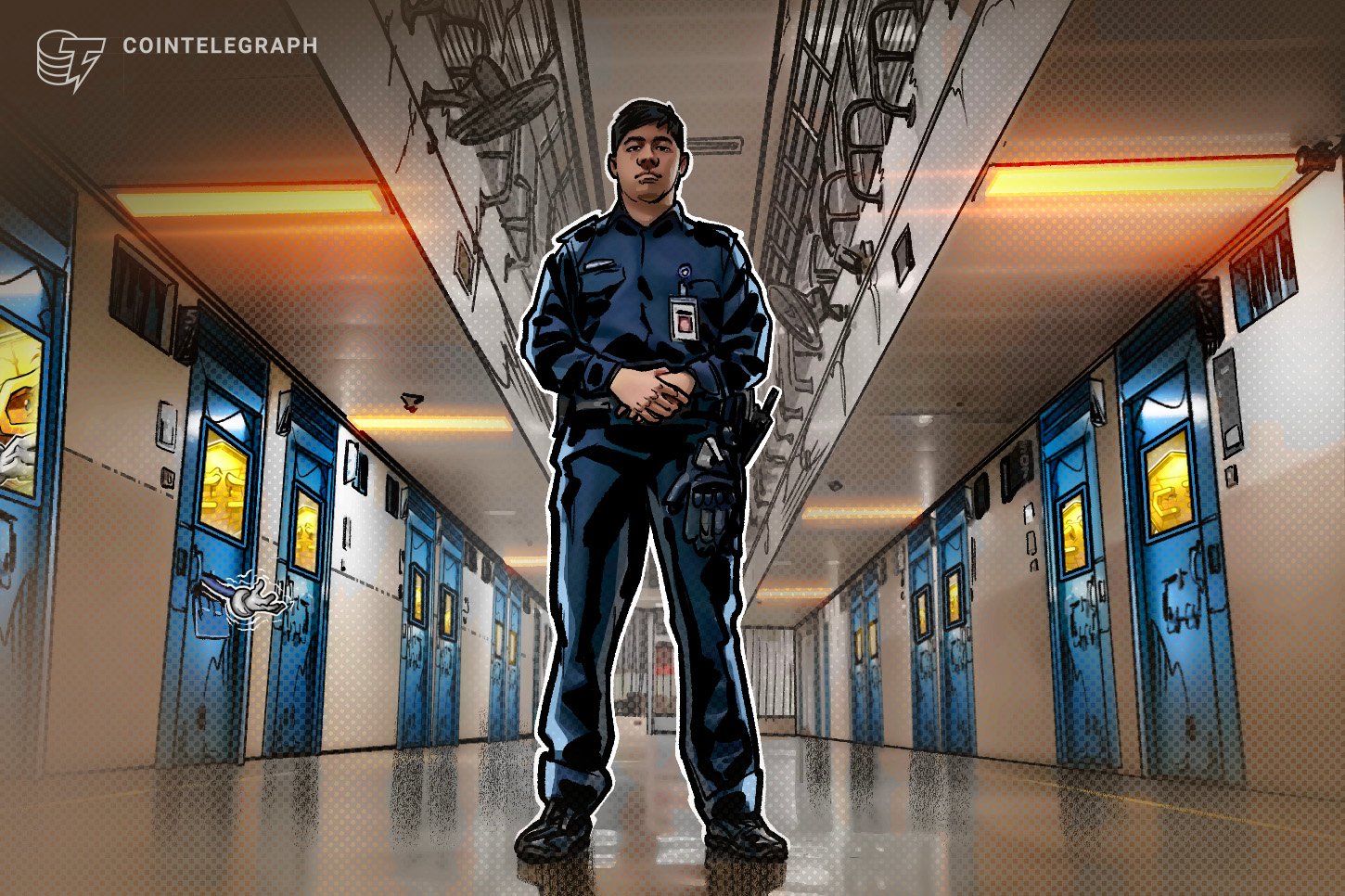
Significant Judicial Penalty in Violent Crypto Heist
In a stark reminder of the escalating physical risks facing digital asset holders, two Texas brothers have been sentenced to 15 years in state prison for their involvement in a violent home invasion, armed robbery, and kidnapping aimed at stealing cryptocurrency. The sentencing highlights the severe legal consequences awaiting perpetrators of physical extortion in the digital asset space, while underscoring a concerning shift in criminal tactics across the globe.
Court proceedings detailed how the defendants forcibly entered a victim’s residence, held the occupants against their will under threat of deadly violence, and attempted to coerce the transfer of private keys and digital wallet funds. Law enforcement authorities tracked down the suspects through a combination of forensic blockchain analysis, local surveillance footage, and traditional investigative techniques, ultimately securing a heavy prison term that prosecutors hope will serve as a strong deterrent against similar offences.
The Surge of Physical ‘Wrench Attacks’ Target Crypto Holders
The conviction arrives amid an unprecedented surge in physical threats against cryptocurrency investors. Historically, digital asset theft predominantly occurred through cyber attacks, exchange exploits, phishing schemes, and malware. However, bad actors are increasingly bypassing complex technical security barriers by targeting the human element directly through forced physical compliance, often referred to in security circles as a ‘$5 wrench attack.’
According to security research data from the first half of 2026, home invasions explicitly linked to cryptocurrency extortion spiked to 20 recorded global incidents, up from just a single reported case in equivalent prior tracking periods. Industry analysts point to several factors driving this rapid escalation:
- Public Exposure of Wealth: Investors frequently disclose substantial gains or flaunt lifestyles financed by crypto assets on social media platforms, making themselves easy targets for surveillance.
- Bypassing Cybersecurity Measures: As multi-factor authentication, hardware security keys, and sophisticated encryption make remote hacking harder, physical coercion remains a vulnerable single point of failure.
- Irreversible Transactions: Because blockchain transactions are final and immutable, criminals perceive successful physical coercion as an instant payout that cannot be reversed by a central bank or financial institution.
Operational Security Challenges for the Web3 Era
The transition from cyber threats to physical violence creates a complex security paradigm for both retail investors and institutional funds. Traditional financial institutions rely on physical vaults, armored transport, and regulatory delay mechanisms to protect physical wealth. Conversely, self-custody cryptocurrency wallets allow individuals to carry millions of dollars worth of purchasing power in a mobile phone or hardware device, often without physical guards or delay protocols.
Security experts emphasize that digital hygiene must now be paired with rigorous physical security and personal privacy. Protecting key assets involves restricting public information regarding crypto holdings, utilizing advanced custody setups, and implementing duress protocols.
Essential Safeguards for Digital Asset Protection
To mitigate the risk of targeted physical attacks, cybersecurity experts and law enforcement officials advise cryptocurrency holders to adopt proactive defensive measures:
- Maintain Low Operational Visibility: Refrain from discussing specific portfolio values, trading gains, or wallet addresses on public forums and social networking sites.
- Utilize Multi-Signature (Multi-Sig) Vaults: Require approval from multiple separate keys—ideally geographically distributed—to execute high-value transactions, ensuring that a single victim cannot transfer funds under duress.
- Implement Timelocks: Employ smart contracts or custody solutions that enforce mandatory delays on large outbound transfers, giving law enforcement time to intervene.
- Set Up Duress Wallets: Maintain secondary, low-balance wallets with separate access codes that can be surrendered during an emergency to satisfy attackers without relinquishing core holdings.
- Separate Living and Key Storage Locations: Store critical seed phrases, hardware wallets, and backup documentation in secure off-site locations such as safety deposit boxes rather than residential property.
Conclusion
The 15-year prison sentence handed down to the Texas brothers reflects a zero-tolerance stance by judicial authorities against physical crypto-related crimes. However, as digital asset adoption continues to expand globally, the threat landscape is evolving rapidly. Safeguard strategies must expand beyond firewall protections and complex passwords to incorporate personal privacy and physical asset security, ensuring that the promise of self-sovereign finance does not come at the cost of personal safety.
