Introduction
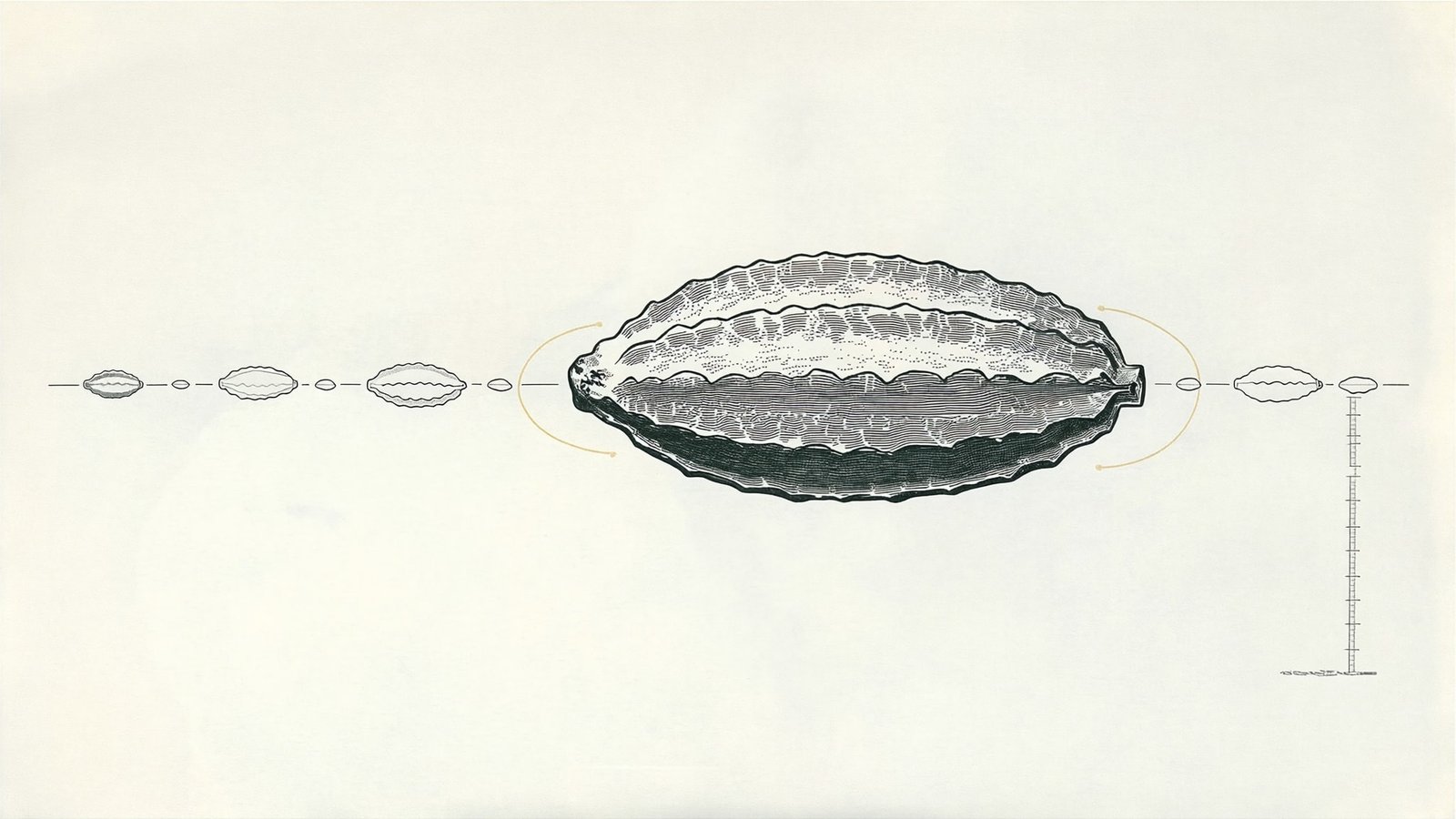
In response to impending European Union regulations aimed at curbing global deforestation, science and technology giant Merck KGaA, professional services firm PwC Germany, and The Hashgraph Group have announced a joint pilot project to enhance cocoa supply chain transparency. The initiative leverages the Hedera distributed ledger network to log and verify physical authentication scans of cocoa beans, establishing an immutable digital audit trail from farm level to consumer markets.
The timing of the announcement coincides with the approaching deadline for the European Union’s Deforestation Regulation (EUDR), which requires large operators importing commodities such as cocoa, coffee, soy, and palm oil to prove that their products do not originate from recently deforested land or contribute to forest degradation. With compliance obligations taking effect on December 30, enterprise solution providers are turning to distributed ledger technologies (DLT) to deliver verifiable proof of origin.
Meeting the EU Deforestation Mandate
The European Union Deforestation Regulation represents one of the most comprehensive environmental trade policies enacted in recent years. Designed to reduce global deforestation driven by European consumption, the legislation mandates strict due diligence procedures for companies trading targeted commodities within the EU single market.
Key requirements under the EUDR framework include:
- Geolocation Tracking: Mandatory collection of exact geographic coordinates for the land plots where raw materials are cultivated.
- Deforestation-Free Proof: Verification that commodities were grown on land that was not subject to deforestation after December 31, 2020.
- Legal Compliance Verification: Proof that production complies with relevant local legislation in the country of origin, including land use rights and labor regulations.
- Supply Chain Auditability: Full traceability along every step of the supply chain prior to placing products on the EU market.
For complex global supply chains such as cocoa—where raw beans pass through smallholder farmers, local aggregators, international traders, and processing facilities—demonstrating compliance presents a formidable data management challenge. Failing to meet these standards can result in severe penalties, including fines up to four percent of an enterprise’s annual turnover within the EU.
Bridging Physical Assets and Digital Ledger Records
The pilot program aims to bridge the gap between physical items in the field and digital compliance records on the blockchain. Merck KGaA brings proprietary physical authentication technology to the partnership, allowing physical materials to be tagged, scanned, and authenticated at key points across the logistics chain.
When physical scans are performed on cocoa shipments, the data is encrypted and anchored to the Hedera network via The Hashgraph Group’s technical framework. This hybrid approach ensures that physical samples cannot be tampered with or substituted without detection during transit, while the underlying ledger provides a tamper-proof record accessible to regulators, auditors, and supply chain partners.
By capturing physical metadata directly on-chain, the system addresses a longstanding vulnerability in digital supply chain tracking: the physical-to-digital gap, where digital records can become detached from the physical reality of the underlying commodity.
Collaborative Synergy: Merck, PwC Germany, and Hashgraph Group
Each participant in the consortium plays a distinct role in executing the pilot project:
- Merck KGaA: Provides specialized physical security and authentication solutions, applying scientific expertise to physically mark and verify batches of raw cocoa.
- PwC Germany: Oversees regulatory alignment, risk governance, and process integration, ensuring that the collected data satisfies the legal expectations of EU compliance authorities.
- The Hashgraph Group: Drives the technical architecture on the Hedera network, leveraging Hedera’s high throughput, low fixed fees, and energy-efficient consensus mechanism.
By pairing enterprise software integration with physical science and regulatory auditing, the collaboration demonstrates how cross-industry partnerships are essential for solving multi-faceted supply chain challenges.
Why Hedera for Enterprise Traceability?
Enterprise adoption of distributed ledger technology has frequently been hindered by concerns over energy consumption, variable transaction fees, network congestion, and governance stability. The selection of Hedera for this initiative highlights several key characteristics that appeal to multinational corporations.
Unlike traditional proof-of-work blockchains, Hedera utilizes the asynchronous Byzantine Fault Tolerant (aBFT) hashgraph consensus algorithm, which offers exceptionally low energy usage per transaction. Furthermore, transaction costs on Hedera are pegged to fixed USD rates, providing predictable operating costs for enterprise deployments that process millions of micro-transactions annually.
Governance is another critical factor for corporate participants. Hedera is governed by a decentralized council composed of global enterprises, academic institutions, and non-profit organizations, providing stability, predictable upgrade roadmaps, and compliance with corporate risk management criteria.
Broader Implications for Global Supply Chain Governance
The cocoa traceability pilot is indicative of a broader transformation occurring in international trade. As governments worldwide intensify regulatory oversight surrounding Environmental, Social, and Governance (ESG) criteria, companies are under growing pressure to deliver transparent, data-driven reporting.
Beyond cocoa, similar DLT-enabled traceability systems are being evaluated across industries such as timber, coffee, cattle, rubber, and critical minerals. By transitioning from paper-based certificates and siloed database architectures to unified, tamper-proof ledgers, global businesses can automate compliance reporting, reduce administrative overhead, and mitigate brand risk associated with supply chain non-compliance.
Conclusion
As the European Union’s Deforestation Regulation deadline approaches, the collaboration between Merck KGaA, PwC Germany, and The Hashgraph Group underscores the growing convergence of physical materials science, corporate governance, and distributed ledger technology. By connecting physical cocoa authentication directly to the Hedera network, the pilot provides a pragmatic blueprint for regulatory compliance in complex agricultural supply chains. If successful, this integrated approach could serve as a model for global enterprise compliance in an era of heightened transparency and accountability.