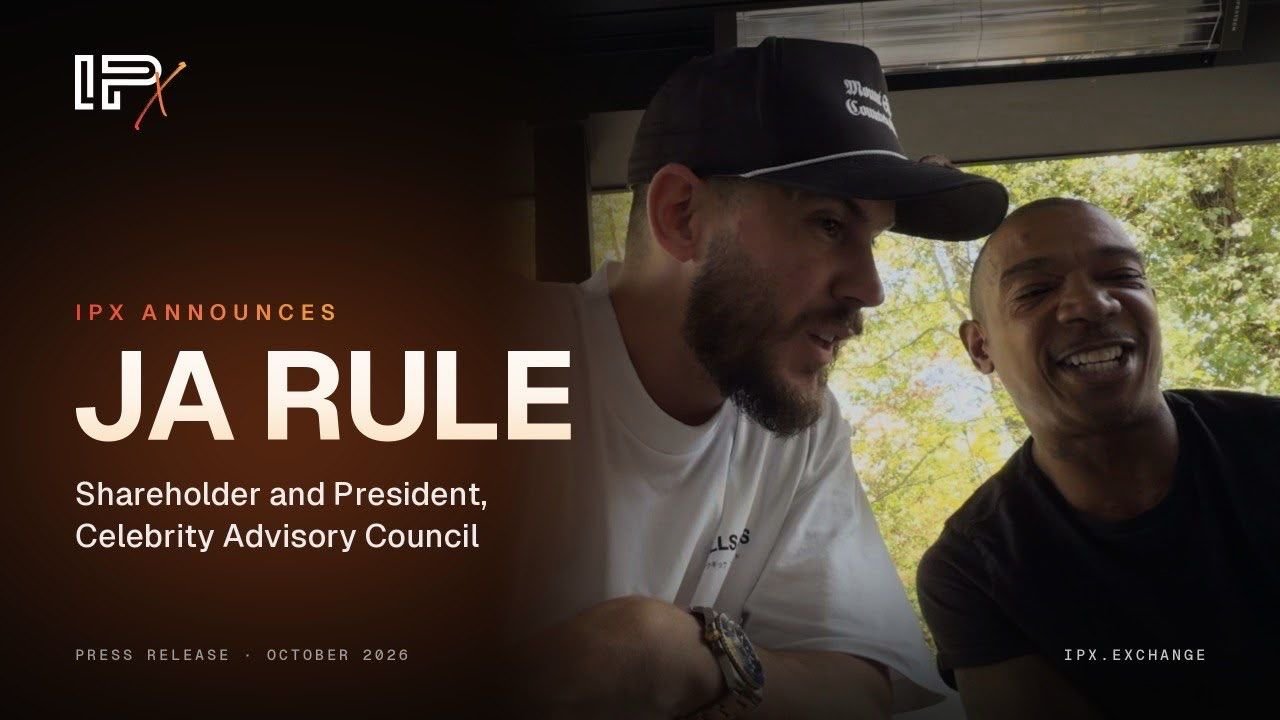
A New Chapter for Music Veteran Ja Rule in Emerging Technology
GRAMMY-nominated hip-hop artist and entrepreneur Jeffrey Atkins, professionally known as Ja Rule, has officially taken on a major executive role in the technology sector. IPX, a company building an agentic operating system designed specifically for intellectual property, has announced the appointment of Ja Rule as the President of its Celebrity Board of Advisors. In addition to his leadership post on the advisory board, the multi-platinum recording artist has been named a founding shareholder and celebrity co-founder of the platform.
The move represents a growing convergence between mainstream entertainment icons and sophisticated technology platforms aimed at addressing the complex realities of modern digital ownership. By taking an active equity stake and formal advisory role, Ja Rule is positioning himself at the forefront of automated intellectual property rights management.
Understanding IPX and the Concept of Agentic IP Systems
As digital media consumption accelerates and artificial intelligence transforms how content is produced, shared, and monetized, protecting creative assets has become increasingly challenging. IPX addresses this friction by developing what it describes as an agentic operating system for intellectual property. Unlike traditional database registries or static rights management software, an agentic framework leverages autonomous software agents capable of executing tasks on behalf of creators and rightsholders.
These software agents can operate around the clock across decentralized networks, traditional web environments, and generative AI ecosystems. Core functions of such an operating system typically include:
- Automated IP Tracking: Continuously scanning digital environments to identify unauthorized uses of audio, video, visual assets, and creator likenesses.
- Dynamic Licensing Enforcement: Facilitating seamless, programmatically executed licensing agreements between creators and third-party developers or platforms.
- Royalty Optimization: Ensuring transparent, real-time distribution of compensation directly to rightsholders without relying on slow, opaque traditional intermediaries.
- AI Protection Frameworks: Establishing clear boundaries and opt-in/opt-out mechanisms for generative AI models seeking to train on proprietary creative works.
Ja Rule’s Strategic Evolution From Hip-Hop to Tech Founder
Ja Rule rose to global dominance in the late 1990s and early 2000s, delivering a string of chart-topping hits and multi-platinum albums under Murder Inc. and Def Jam. Beyond his music career, Atkins has spent much of the past decade actively exploring emerging tech sectors, business investments, and innovative distribution models.
His involvement in the Web3, digital media, and blockchain space has provided him with firsthand perspective on the systemic inefficiencies facing music creators. Historically, artists have struggled with delayed royalty statements, complex publishing structures, and loss of revenue due to piracy or unauthorized distribution. Ja Rule’s decision to join IPX as a founding shareholder underscores a deliberate strategy to build long-term value in companies that solve these fundamental industry problems.
In his role as President of the Celebrity Board of Advisors, Ja Rule will lead outreach to fellow artists, musicians, athletes, and media personalities. The board aims to bridge the gap between complex tech infrastructure and the practical needs of high-profile creators who hold extensive media catalogues.
The Urgency of IP Protection in the Age of Generative AI
The timing of Ja Rule’s appointment coincides with intense global debate regarding intellectual property, artificial intelligence, and digital rights. Generative AI tools can now synthesize convincing voice clones, generate artwork inspired by specific creative styles, and process massive datasets of copyrighted media without clear consent or compensation models in place.
For high-profile public figures and independent artists alike, these technological advancements pose immediate threats to their personal brand equity and financial livelihoods. Traditional legal channels are often too slow and costly to handle millions of real-time digital interactions, creating an urgent demand for technological solutions.
Platform architectures like IPX offer an automated countermeasure. By implementing agentic protocols, rights holders can establish machine-readable rules regarding how their intellectual property may be utilized by AI developers. This allows creators to move away from reactive copyright infringement litigation toward proactive, automated monetization of their digital identities and creative output.
A Broader Shift in Celebrity Endorsements and Equity Ownership
Ja Rule’s strategic position at IPX reflects a broader macroeconomic shift in how public figures interact with tech startups. Historically, celebrity involvement was largely restricted to short-term marketing sponsorships or paid brand endorsements. Today, high-profile creators increasingly demand meaningful equity, direct advisory input, and co-founder status.
This structural change aligns the incentives of creators and software platforms. When artists hold significant equity in the technology tools built for their industry, they are incentivized to contribute real-world domain expertise, guiding product development to ensure platforms address genuine pain points rather than purely theoretical problems.
Looking Ahead: The Future of Autonomous IP Governance
As IPX expands its platform, the integration of Ja Rule as President of its Celebrity Advisory Board serves as an important milestone in merging culture with cutting-edge tech architecture. The platform aims to onboard an expansive roster of talent across entertainment, gaming, and sports, establishing a unified ecosystem for digital asset protection and commercialization.
The success of agentic operating systems like IPX could set a standard for how intellectual property is managed globally. By providing creators with automated tools to track, license, and profit from their work, technology platforms are giving rightsholders greater sovereignty over their creative output in an increasingly complex digital world.
