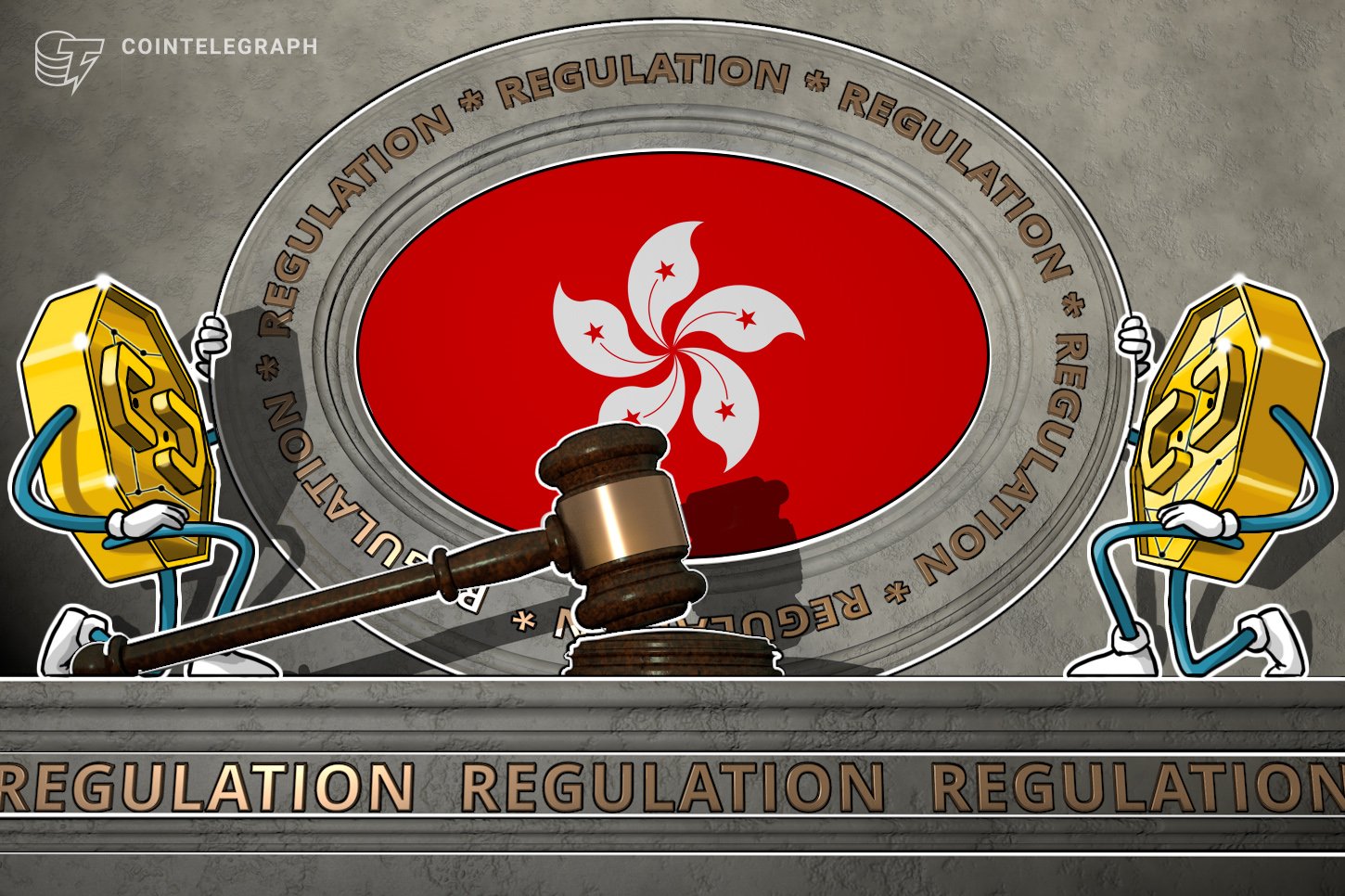
Strengthening Digital Asset Governance
Hong Kong is taking another decisive step in solidifying its framework for digital asset oversight. Financial regulators in the special administrative region have prepared a legislative proposal designed to bring cryptocurrency custodians and financial advisory entities under a mandatory licensing regime. The upcoming bill, slated for its initial reading in the Legislative Council on December 2, represents a comprehensive expansion of the territory’s virtual asset regulatory perimeter.
The initiative reflects an ongoing effort by the Securities and Futures Commission (SFC) and local regulatory authorities to mitigate risks associated with digital asset storage, portfolio management, and financial recommendation services. By closing legal grey areas that previously allowed uncredentialed custodians and advisers to operate without direct SFC oversight, Hong Kong aims to foster a safer environment for both retail and institutional market participants.
Closing Regulatory Gaps in Custody and Advisory Operations
Under the existing legal framework established in mid-2023, Hong Kong introduced a comprehensive licensing regime primarily targeted at centralized virtual asset trading platforms (VASPs). While this initial framework established operational standards for crypto exchanges, independent custody providers and specialized crypto investment advisers remained subject to fragmented or indirect supervision.
The proposed legislative updates specifically target these critical sectors within the broader Web3 ecosystem. Under the new regime, any entity offering commercial digital asset custody services or providing tailored crypto financial advice to clients in Hong Kong will be legally obligated to secure a formal license from the securities regulator.
Key elements of the proposed framework include:
- Mandatory Asset Segregation: Custodians must enforce strict separation between corporate funds and client-owned digital assets to prevent commingling.
- Robust Cold Storage Protocols: A substantial percentage of client holdings must be maintained in cold wallets protected by multi-signature arrangements and advanced cryptographic security.
- Capital and Insurance Requirements: Licensed custodians will be required to maintain minimum financial resources and secure adequate insurance coverage or compensated reserves.
- Fiduciary Standards for Advisers: Advisory firms must adhere to strict suitability assessments, ensuring that recommendations align with clients’ financial profiles and risk tolerance.
- Anti-Money Laundering (AML) Compliance: All licensed entities will be required to execute thorough Know-Your-Customer (KYC) checks and comply with international standards established by the Financial Action Task Force (FATF).
Contextualizing Hong Kong’s Broader Web3 Ambitions
Hong Kong’s move to regulate crypto custodians and advisers comes as part of a strategic shift launched in late 2022 to establish the city as a leading global financial technology hub. Unlike traditional policy approaches in neighboring jurisdictions that emphasized strict limitations on retail participation, Hong Kong elected to build a clear, institutional-grade framework designed to attract Web3 innovation while prioritizing consumer safety.
Since the rollout of the VASP regulatory framework in June 2023, the jurisdiction has achieved several milestones in institutional crypto integration. These developments include the listing of spot Bitcoin and Ether exchange-traded funds (ETFs), alongside ongoing sandbox trials for fiat-backed stablecoins overseen by the Hong Kong Monetary Authority (HKMA).
However, regulatory authorities have repeatedly stressed that market expansion must not come at the expense of investor protection. High-profile international exchange collapses and asset misappropriations over recent years highlighted the inherent risks of unregulated custody services, reinforcing the need for direct statutory oversight over those holding private keys on behalf of users.
Implications for Institutional Capital and Service Providers
Industry analysts expect the mandatory licensing requirement to have a transformative impact on Hong Kong’s crypto asset market structure. For institutional investors—such as hedge funds, family offices, and private equity managers—the availability of SFC-regulated custodians is a vital prerequisite before committing significant capital to alternative digital assets.
At the same time, the compliance burden associated with obtaining and maintaining a license may lead to market consolidation. Smaller custody operators and boutique advisory firms could face higher operational costs related to cybersecurity audits, compliance staffing, and regulatory reporting. Consequently, larger financial institutions and well-capitalized fintech firms are best positioned to capture market share within the newly regulated landscape.
Furthermore, established traditional financial institutions expanding into digital assets will benefit from a unified, predictable legal framework. With clear guidelines on custody standards and advisory practices, banks and asset managers can more readily integrate digital asset products into their existing service offerings.
Next Steps in the Legislative Process
Following its introduced first reading in the Legislative Council on December 2, the bill will undergo detailed scrutiny by parliamentary committees and stakeholder groups. Lawmakers are expected to deliberate on transitional arrangements, compliance deadlines, and potential exemptions for specific financial institutions already operating under existing banking regulations.
Through these proactive legislative measures, Hong Kong continues to demonstrate its commitment to establishing a balanced regulatory framework—one that protects market integrity while providing digital asset enterprises with a stable legal environment for long-term growth.
