A Strategic Evolution in Ethereum Development
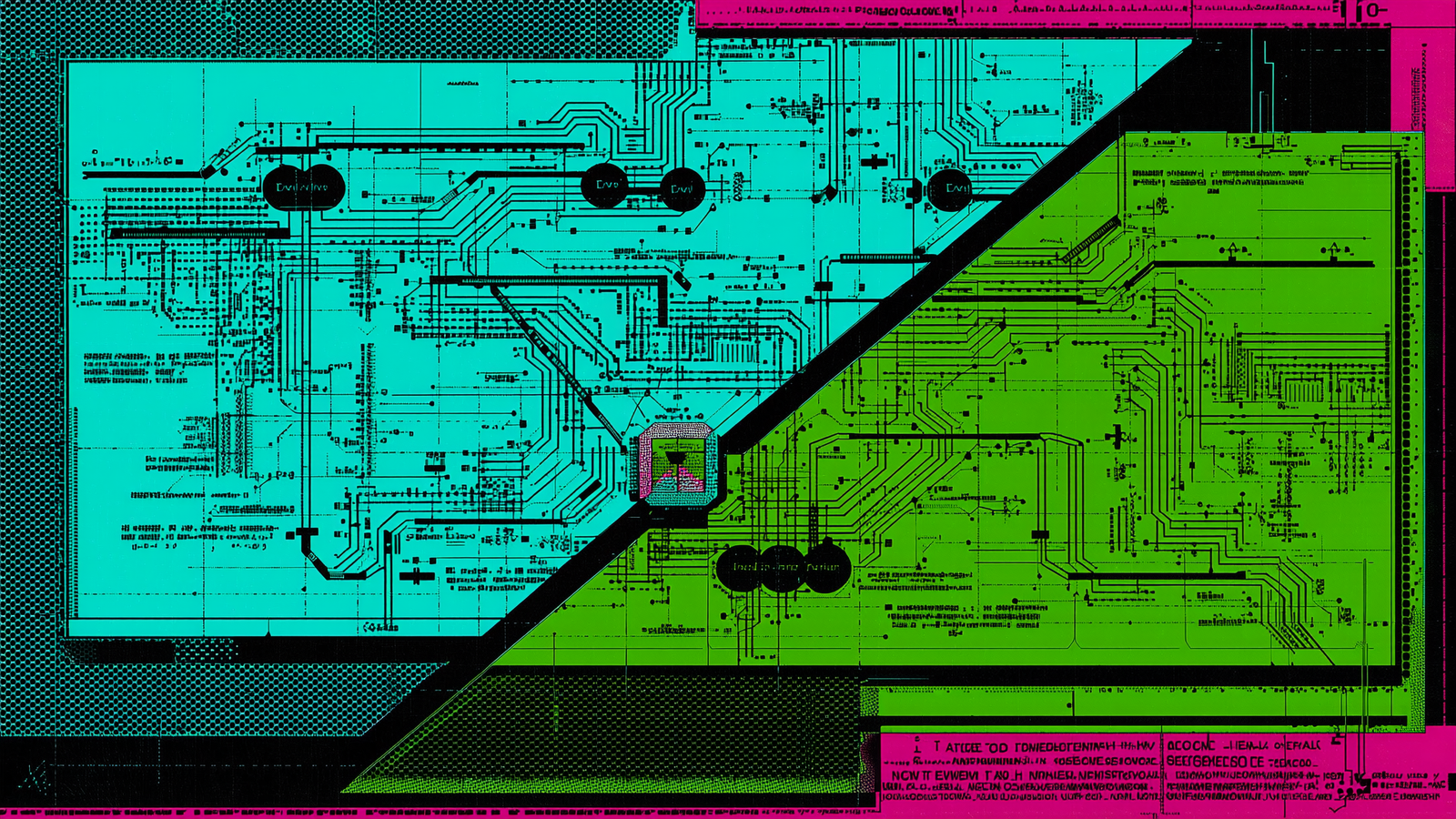
Ethereum co-founder Vitalik Buterin recently offered a detailed comparison between the network’s 2023 development roadmap and the Ethereum Foundation’s current technical plan, often referred to as a “strawmap.” The visual overlap reveals a striking realignment of priorities designed to prepare the decentralized ecosystem for future computational threats and evolving privacy requirements. While past technical roadmaps heavily emphasized immediate scalability milestones and protocol tweaks, the updated blueprint highlights a proactive turn toward post-quantum cryptography, integrated privacy measures, and streamlined Layer-2 architectures.
This shift underscores how rapidly the surrounding technological landscape is changing. Emerging fields such as quantum computing and advanced zero-knowledge cryptography have moved from theoretical concerns to urgent development priorities, prompting protocol architects to rethink longstanding strategies.
Prioritizing Defense Against Quantum Computing
Perhaps the most significant elevation in the current roadmap is the explicit focus on quantum computer defenses. Quantum computing poses an eventual existential risk to modern public-key cryptography, including the elliptic curve cryptography (ECDSA) currently used to secure Ethereum addresses and transaction signatures. If a cryptographically relevant quantum computer were realized, standard cryptographic schemes could be broken, exposing user funds and network state integrity.
In response, Ethereum developers have moved quantum readiness significantly higher in the queue. The revised vision incorporates post-quantum scaling and quantum-resistant cryptographic primitives into the protocol’s core architecture. Key areas of focus include:
- Post-Quantum Signature Schemes: Transitioning core address schemes to lattice-based or hash-based signatures that can withstand quantum attack vectors.
- Quantum-Safe Zero-Knowledge Proofs: Shifting reliance toward STARKs (Scalable Transparent ARguments of Knowledge), which rely on collision-resistant hash functions rather than elliptic curves.
- Proactive Migration Strategies: Planning account abstraction frameworks that allow users to update their cryptographic keys seamlessly before quantum hardware matures.
Privacy and Native Rollups Take Center Stage
Another major departure from the 2023 roadmap is the prominent inclusion of privacy mechanisms and native rollup execution. In 2023, privacy was often viewed as an application-layer concern—something to be handled by third-party protocols or mixer smart contracts. However, regulatory pressures, user demand, and mathematical breakthroughs in zero-knowledge technology have driven protocol designers to re-evaluate this stance.
The updated strawmap integrates privacy features directly into the core network design philosophy. By embedding privacy-preserving primitives at the protocol level, Ethereum aims to offer confidential transactions and identity protection without relying solely on external mixer smart contracts that face regulatory friction. Simultaneously, the roadmap places greater emphasis on native rollup scaling, acknowledging that Ethereum’s future relies on a deeply integrated, layer-2-centric architecture where execution primarily occurs off-chain while layer-1 acts as an immutable settlement and data availability anchor.
Deprioritized Features and Dropped Implementations
To make room for these critical security and privacy upgrades, several technical initiatives previously thought to be central to Ethereum’s path have been deprioritized or replaced entirely. Among the most notable changes:
- Verkle Trees: Originally championed as the definitive solution for statelessness and storage optimization, Verkle trees have been set aside in favor of alternative cryptographic constructions. Developers are increasingly favoring binary state trees paired with STARK-friendly hash functions, which offer better compatibility with post-quantum standards.
- State Expiry Re-evaluation: Previous mechanisms proposed for state expiry—removing inactive state data from nodes—have been modified or replaced with more modular, state-minimization frameworks.
- Postponement of VDFs: Verifiable Delay Functions (VDFs), intended to enhance randomness generation in proof-of-stake consensus, have moved down the priority list as developers focus on immediate security threats.
- Minor EVM Tweaks: Incremental Ethereum Virtual Machine (EVM) modifications have been deferred, shifting engineering bandwidth toward holistic protocol upgrades rather than minor efficiency gains.
Contextualizing the Shift: Future-Proofing Decentralization
The adjustments detailed by Buterin reflect a mature approach to blockchain infrastructure development. Rather than adhering rigidly to static plans established years ago, the Ethereum core development team is showing agility in response to emerging scientific realities. The rise of sophisticated zero-knowledge tooling has made native privacy far more feasible than it was in early 2023, while accelerated investments in quantum computing hardware by global technology powers have shortened the safety window for legacy cryptographic standards.
By swapping out complex, interim solutions like Verkle trees for quantum-resilient binary structures, Ethereum aims to bypass intermediate technological debt. This ensures that when major upgrades land, they won’t require immediate re-engineering when quantum capabilities eventually arrive.
Conclusion
Vitalik Buterin’s comparison of the 2023 roadmap and current technical strawmaps illustrates an Ethereum Foundation intent on future-proofing its platform. By placing post-quantum security, zero-knowledge privacy, and native rollups at the forefront, the Ethereum ecosystem is signaling that long-term durability and user sovereignty outweigh short-term feature additions. As these technical specifications continue to solidify, developers and stakeholders can expect a leaner, more secure, and fundamentally resilient Ethereum protocol designed to endure for decades to come.