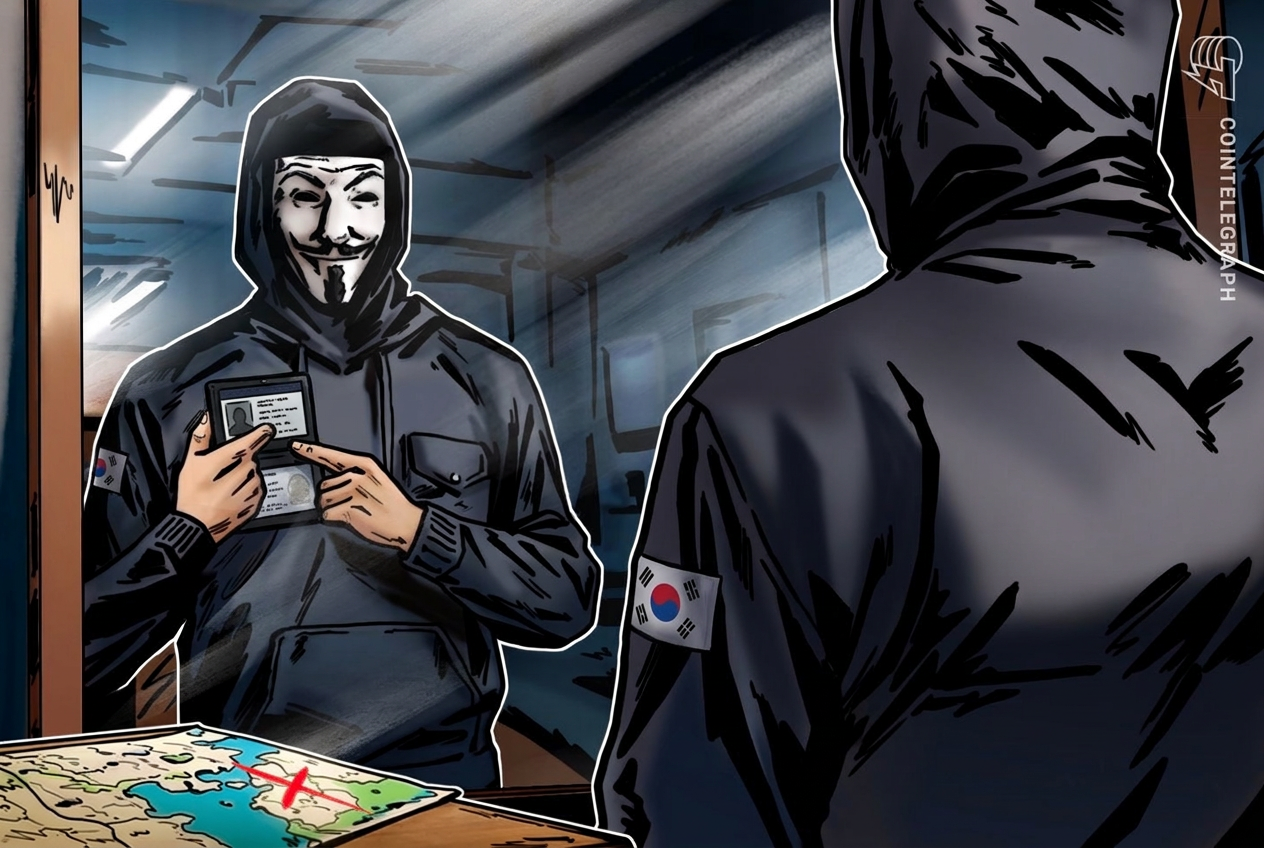
Security Alert Issued After Data Exposure Incident
Coinone, one of the prominent cryptocurrency trading platforms operating in South Korea, has officially notified its user base of a significant security incident involving compromised customer data. The exchange acknowledged that unauthorized access led to the exposure of highly sensitive personal and financial details, prompting immediate advisories regarding secondary security risks such as targeted phishing and identity theft.
The breach represents a serious operational challenge for the exchange, which serves as a major hub for digital asset trading in the region. Platform administrators have initiated internal response protocols to assess the entry vectors utilized by the intruders and contain further unauthorized data exfiltration.
Scope of Compromised Customer Data
According to disclosures provided by the trading platform, the unauthorized exposure affects several critical data fields required for user identity verification and financial transactions within the South Korean regulatory ecosystem. The compromised information encompasses:
- Account Passwords: Credentials used to secure individual user accounts on the platform.
- Linked Bank Account Numbers: Financial account details tied to fiat-to-crypto gateway services.
- National Identification Numbers: Unique resident registration identifiers utilized for mandatory identity verification.
- Cryptocurrency Wallet Addresses: On-chain public identification destinations associated with customer funds.
The combination of these specific data points presents a heightened risk profile for affected individuals, as malicious actors now possess both personal identifying information and financial connectivity details.
Heightened Risks of Phishing and Identity Takeover
Cybersecurity experts warn that the exposure of national identification numbers alongside bank account details significantly amplifies the potential for sophisticated cybercrime. Fraudulent campaigns utilizing this stolen data often attempt to exploit user trust through carefully crafted communication channels.
Threat actors frequently leverage compromised credentials to execute spear-phishing attacks, masquerading as legitimate customer support representatives or regulatory officials. Armed with personal details such as national registration numbers, attackers can build persuasive fake narratives via short message services (SMS), email, or direct telephone calls to trick victims into revealing two-factor authentication codes or granting remote device access.
Furthermore, access to national identification records raises concerns regarding fraudulent credit applications, unauthorized bank transactions, and potential SIM-swapping attempts aimed at bypassing multi-factor authentication mechanisms.
Regulatory and Operational Background in South Korea
South Korea operates under one of the world’s most detailed legal frameworks governing digital asset exchanges. Under the Specific Financial Transaction Information Act, local cryptocurrency exchanges are required to enforce strict Know Your Customer (KYC) procedures, maintain real-name bank accounts linked to user identities, and adhere to rigorous cybersecurity standard certifications, such as the Information Security Management System (ISMS).
Coinone ranks among the select group of domestic exchanges licensed to provide fiat-to-crypto trading services in partnership with local banking institutions. Consequently, a breach exposing national ID credentials and financial linkage details directly intersects with national compliance standards and user protection frameworks overseen by the Financial Services Commission (FSC) and the Financial Intelligence Unit (FIU).
Historically, the South Korean digital asset market has faced persistent targeted cyber operations from sophisticated hacking groups. As a result, regulatory authorities maintain stringent reporting guidelines that require prompt customer notification and mitigation measures whenever data confidentiality is compromised.
Recommended Action Plan for Affected Account Holders
To mitigate the immediate risks associated with the credential exposure, security analysts advise Coinone customers to execute a series of defensive security measures:
- Update Authentication Credentials: Immediately change account passwords on Coinone, ensuring the new password is unique and not reused on any other platform.
- Revoke Shared Passwords: If the compromised password was used for email accounts or financial institutions, those credentials should be updated immediately.
- Enhance Multi-Factor Authentication: Transition away from SMS-based two-factor authentication in favor of hardware security keys or dedicated authenticator applications.
- Monitor Linked Financial Accounts: Closely review bank statements connected to the exchange for unauthorized transfer attempts or unfamiliar verification requests.
- Exercise Vigilance Against Direct Inquiries: Treat all unsolicited communication claiming to originate from Coinone, financial institutions, or government bodies with extreme skepticism, avoiding engagement with embedded links or attachments.
Industry Impact and Systemic Considerations
The incident highlighting vulnerabilities at a major trading hub emphasizes the complex security environment crypto platforms navigate when storing sensitive user identity data alongside financial ledgers. As centralized platforms aggregate extensive KYC records to meet regulatory compliance mandates, they inherently become high-value targets for global threat actors.
Industry observers anticipate increased regulatory scrutiny following the breach, with potential reviews into data retention policies, encryption standards at rest, and infrastructure segregation practices. Ensuring robust customer protection while meeting strict regulatory identification requirements remains a central challenge for digital asset services operating worldwide.
Conclusion
The data exposure at Coinone underlines the critical need for continuous vigilance among digital asset traders and centralized service providers. While the platform works to fortify its defensive perimeter and collaborate with relevant investigative authorities, account holders must proactively manage their security posture to defend against potential identity theft and targeted phishing attempts in the aftermath of the disclosure.
