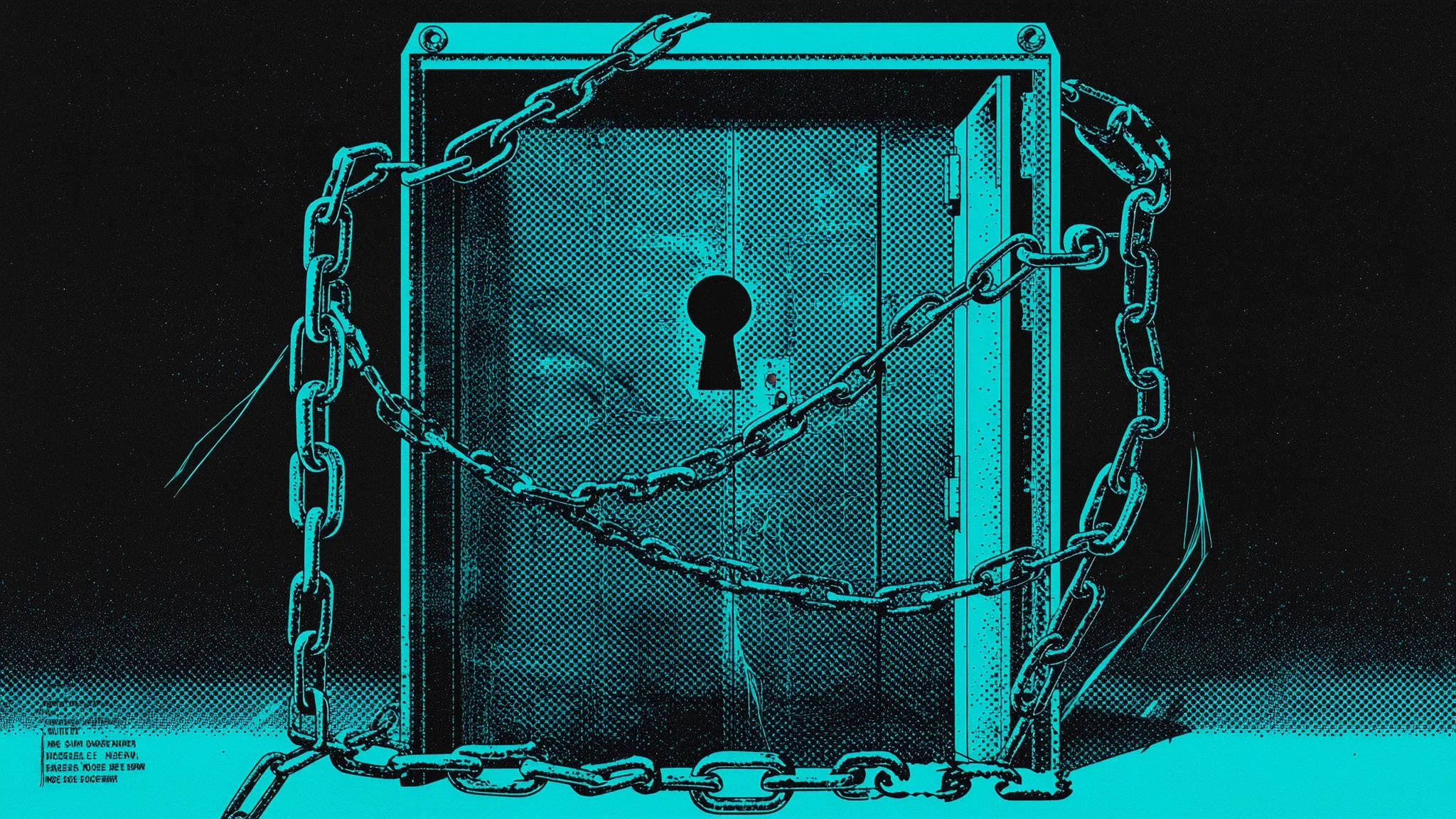
In a move that highlights the delicate trade-off between smart contract security and protocol flexibility, leading non-fungible token (NFT) marketplace Blur has permanently disabled upgrade mechanisms across its smart contract suite. While the decision was implemented to enforce decentralization and eliminate admin key vulnerabilities, the shift to complete immutability has sealed the fate of approximately 545.6 Ether (ETH) distributed across 315 smart contracts. The trapped funds, worth well over $1.5 million at current market valuations, now lack any recovery mechanism, as developer-managed contract upgrades served as the sole viable path for emergency extraction.
The Discovery of Trapped Funds
The issue came to light following an investigation by prominent Web3 security researcher known pseudonymously as Quit. According to Quit’s technical analysis, the affected funds reside within 315 legacy or auxiliary smart contracts that were originally deployed without direct withdrawal routines. In typical decentralized applications utilizing proxy architectures, developers retain the ability to push software updates, allowing them to patch code omissions or deploy emergency recovery functions when funds become stuck.
However, when Blur executed operations to disable contract upgradeability—a milestone often pursued to prove trustlessness and prevent malicious administrative interventions—it simultaneously eliminated the ability to deploy rescue scripts. As a result, the 545.6 ETH held within these specific contracts remains locked indefinitely on the Ethereum blockchain.
Normal Wallet Operations Remain Unaffected
It is crucial to differentiate between these orphaned contract balances and standard user deposits on the platform. Blur’s core marketplace functions, user wallet balances, bidding pools, and active trading operations remain fully functional and completely secure. Standard user withdrawals through the primary application interface operate normally because those user-facing contracts follow validated execution paths.
The trapped 545.6 ETH primarily consists of edge-case balances, accidental direct transfers, or interactions with secondary helper contracts that omitted explicit logic for returning ETH to depositors. While the financial impact is confined to these specific instances, the situation serves as a stark reminder of the unforgiving nature of immutable blockchain code.
Immutability Versus Upgradability: The DeFi Dilemma
Blur’s move underscores an ongoing structural debate within decentralized finance (DeFi) and Web3 architecture regarding smart contract proxy patterns versus permanent immutability. Each approach presents distinct security advantages and inherent operational risks:
- Upgradable Contracts: Allow developers to fix critical vulnerabilities, patch business logic bugs, and recover misdirected user assets. However, this flexibility introduces centralization risks, as compromised administrative keys or rogue developers could alter contract rules to siphon user funds.
- Immutable Contracts: Guarantee that smart contract bytecode cannot be altered by any entity after deployment. This provides complete trustlessness and immunizes the protocol against administrative exploits, but removes any safety net for rectifying coding oversights or recovering trapped assets.
By revoking upgrade rights, Blur chose to prioritize absolute censorship resistance and trustlessness. The forfeiture of developer control guarantees that no centralized authority can modify protocol mechanisms moving forward. However, the permanent locking of 545.6 ETH illustrates the immediate collateral cost when emergency intervention mechanisms are permanently discarded.
Technical Insights into Contract Bytecode and Fallback Logic
To understand why these funds cannot be retrieved, one must examine how smart contracts interact with native ETH on the Ethereum network. Ethereum smart contracts require explicit programmatic functions—such as fallback, receive, or custom withdrawal routines—to accept, process, and release native tokens. If ETH is transferred to a contract address that lacks a defined logic path for outbound transactions, the tokens become trapped within that contract’s balance state.
When proxy contracts are upgradeable, the contract administrator can point the proxy to a new logic implementation contract. This new logic contract can introduce an administrative recovery method, allowing the protocol team to trigger a balance extraction and return the assets to their rightful owners. Once proxy ownership is renounced or the upgrade pathway is intentionally burned, the execution logic becomes immutable. Without pre-existing withdrawal methods written into the original bytecode, the underlying ETH becomes mathematically unspendable.
Key Takeaways for Blockchain Security and Protocol Governance
The locking of 545.6 ETH on Blur offers several essential lessons for Web3 developers, security auditors, and decentralized governance teams:
- Comprehensive Pre-Immutability Audits: Protocols preparing to revoke upgrade keys must perform thorough balance and state audits across all historical and active contracts to identify trapped assets prior to finalizing immutability.
- Defensive Coding Standards: Development teams must ensure that every deployed contract—including temporary helper utilities—contains fail-safe logic or explicit fallback retrieval routines.
- User Interface Validation: Decentralized application front-ends must enforce strict input checks to prevent users from making direct native token transfers to contract addresses lacking explicit payout functions.
Conclusion
Blur’s decision to disable smart contract upgrades represents a significant step toward full protocol decentralization. While the permanent lockup of 545.6 ETH across 315 contracts underscores the rigid realities of immutable code, it highlights a deliberate design choice that values protocol predictability over centralized control. As Web3 ecosystems mature, developers and users alike must continuously navigate the fine line between safety through administrative flexibility and security through unalterable smart contract code.
