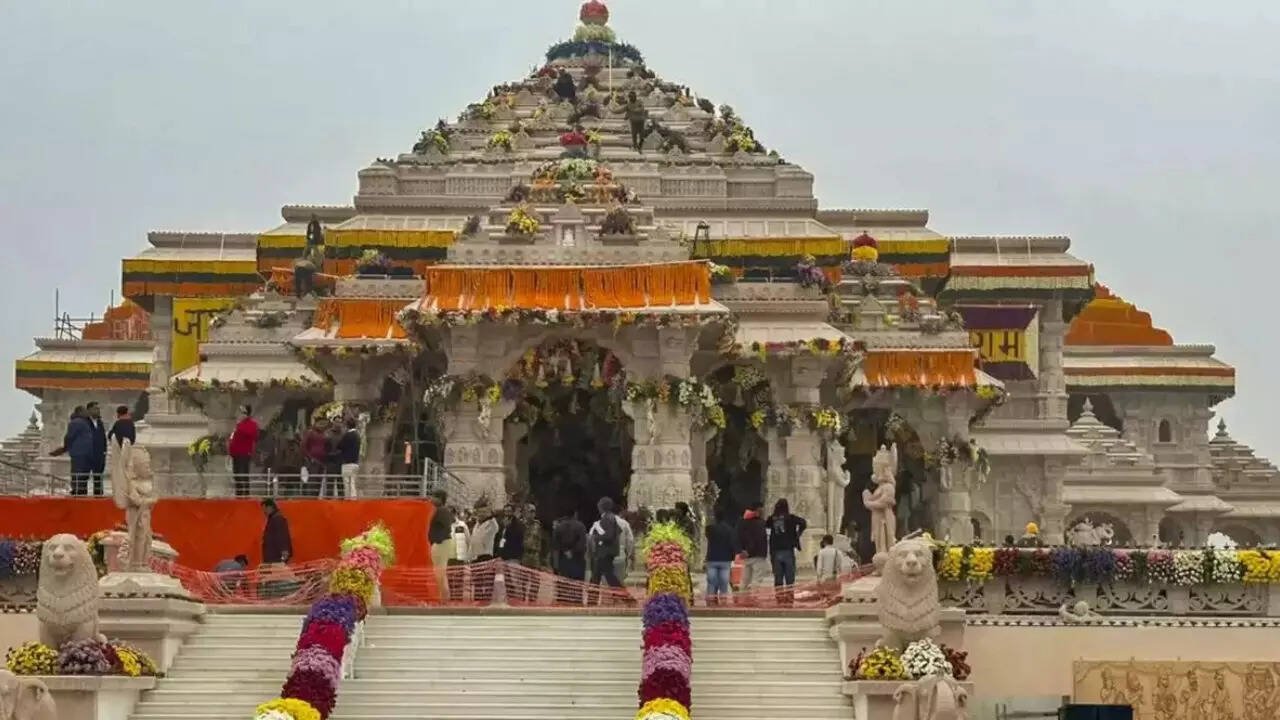
In a major initiative aimed at connecting millions of devotees across India and around the globe, public broadcaster Doordarshan has officially launched daily live telecasts of the Aarti ceremonies from the newly consecrated Ram Janmabhoomi Mandir in Ayodhya. Broadcasting nationwide on DD National, the initiative offers faithful viewers an uninterrupted virtual gateway to the holy daily rituals performed before the deity Ram Lalla.
This broadcasting decision follows unprecedented national interest in the temple since its monumental inauguration and consecration ceremony held in early 2024. By bringing the intimate, traditional worship routines directly into living rooms, the national broadcaster addresses both logistical realities of foot-traffic management at the temple and the spiritual desires of elderly, immobile, or distant worshipers.
Understanding the Five Daily Aarti Ceremonies
The temple administration follows an established schedule of Vedic rituals throughout the day, each holding profound spiritual symbolism. Doordarshan’s programming schedule aligns with these traditional timeframes, allowing home viewers to participate in real-time devotion from dawn until nightfall.
The five distinct daily ceremonies covered in the live broadcast include:
- Mangala Aarti: Held in the early hours before sunrise, this ceremony marks the awakening of the child deity Ram Lalla. Traditional chants and lamps wake the divine presence to begin the sacred day.
- Shringaar Aarti: Conducted during the morning hour, this ritual involves the formal dressing, decoration, and adornment of the idol with fresh flower garlands, sacred garments, and ornate jewels.
- Rajbhog Aarti: Performed at mid-day, this ceremony accompanies the formal offering of rich, cooked meals (bhog) to the deity, symbolizing nourishment and royal reverence.
- Sandhya Aarti: Scheduled during twilight, this evening worship involves the lighting of brass lamps, incense offerings, and rhythmic hymns to mark the transition from day to night.
- Shayan Aarti: The final ceremony of the day, during which final prayers are recited before the deity is put to rest, after which the sanctum sanctorum closes for the night.
Technological Infrastructure and Multi-Platform Accessibility
To deliver high-definition visual clarity and immersive audio, state-controlled broadcaster Prasar Bharati has deployed specialized high-definition multi-camera setups within the temple complex. The production teams operate under strict guidelines to maintain the sacred decorum of the sanctum sanctorum while ensuring clear views of the deity and priest officiants.
Beyond traditional television broadcasts on DD National, Prasar Bharati is leveraging digital platforms to reach younger demographics and international audiences. The live feed is simultaneously streamed on Doordarshan’s official YouTube channels and digital mobile applications. This multi-platform distribution enables members of the Indian diaspora across time zones in North America, Europe, the Middle East, and Southeast Asia to maintain daily spiritual connections.
Contextual Background: Ayodhya’s Transformation and Pilgrimage Surge
The city of Ayodhya has undergone massive structural, economic, and infrastructural overhauls over recent years. Following the historic legal resolution and subsequent temple construction, the region has seen an unprecedented surge in domestic and international tourism, with tens of thousands of pilgrims visiting daily.
However, the sheer volume of visitors presents continuous challenges for local administration, crowd control, and transport networks. While physical pilgrimage remains a priority for millions, the daily television broadcasts offer a sustainable alternative that alleviates physical congestion while maintaining widespread public engagement.
The Rise of Digital Worship in Contemporary India
The broadcasting of religious rituals on public media has a rich history in India, tracing back to early television adaptations of epic scriptures in the 1980s. However, the contemporary landscape has evolved into dedicated continuous broadcasting and interactive streaming. The live streaming of temple ceremonies gained accelerated momentum during global pandemic lockdowns, proving that virtual participation offers meaningful spiritual solace when physical presence is unfeasible.
Sociologists and media analysts note that daily television broadcasts foster a collective national consciousness. Families gathering to watch morning or evening prayers together reinforce cultural tradition, while elderly citizens unable to undertake demanding travel find immense comfort in regular visual access to holy shrines.
Conclusion
The daily telecast of Ayodhya’s Ram Mandir Aartis on DD National represents a harmonious blend of ancient spiritual heritage and modern technology. By making all five daily ceremonies accessible to anyone with a television or internet connection, Doordarshan fulfills its mandate as a public broadcaster, bridging geographical distances and bringing millions together in shared cultural experience.