Record On-Chain Assets Highlight Growth Amid Financial Pressures
In its inaugural public financial report, real-world asset tokenization platform Securitize disclosed a significant expansion in its total tokenized assets under management, reaching a record average of $4.3 billion during the second quarter. This figure represents a 16% increase compared to the corresponding period last year, underscoring the growing market demand for bringing traditional financial instruments onto blockchain networks.
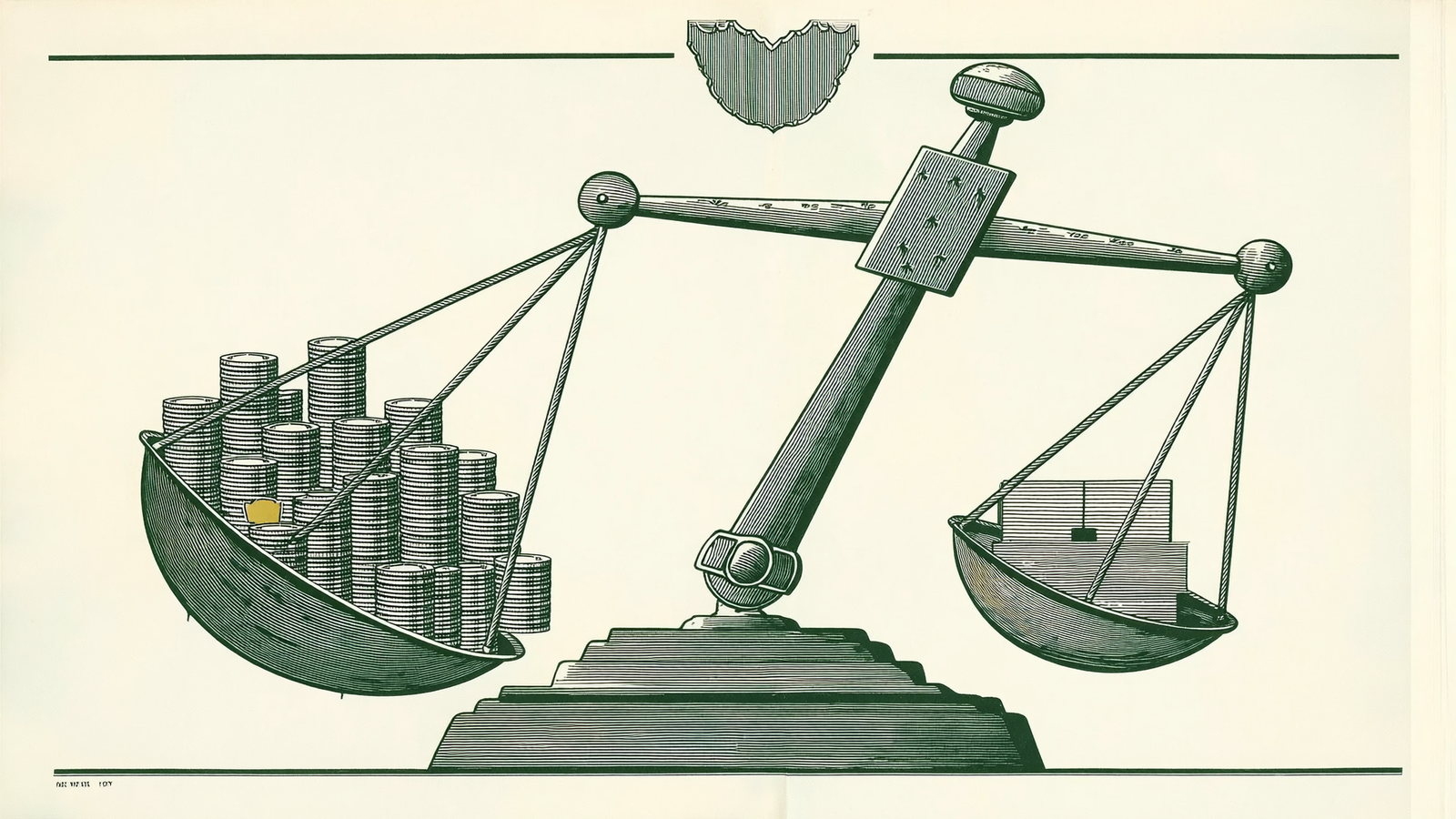
However, the surge in managed assets did not immediately translate into top-line revenue growth. For the same period, Securitize experienced a 5% drop in total revenue, which fell to $14.4 million. The divergence between asset growth and revenue highlights the evolving commercial dynamics within the institutional digital asset sector, where expanding balance sheets on-chain may not yield immediate fee windfalls.
A Detailed Look at Q2 Financial Performance
The financial results reveal several headwinds facing the company as it scales its infrastructure and expands its market presence. A closer examination of the figures illustrates the current imbalance between asset accumulation and earnings performance:
- Tokenized Assets Under Management: Reached an average of $4.3 billion, up 16% year-over-year.
- Total Revenue: Contracted by 5% year-over-year to $14.4 million.
- Tokenization Revenue: Decreased by 12% during the quarter.
- Operating Costs: Surged by 56% compared to the prior-year period.
- Net Loss: Expanded to $21.7 million as costs outpaced revenue gains.
The substantial 56% jump in operating expenses reflects heavy investments in compliance, infrastructure, talent acquisition, and corporate operations required to support public reporting standards and institutional client onboarding.
Understanding the Disconnect Between AUM and Revenue
To understand why a record level of tokenized assets failed to generate higher earnings, it is necessary to examine the fee structures common in institutional tokenization. Unlike traditional retail brokerages or transaction-heavy cryptocurrency exchanges that rely on frequent trading activity and volatile spreads, tokenization platforms often operate on a combination of fixed setup fees, asset issuance charges, and annual administration basis points.
When large financial institutions tokenization funds, initial issuance revenue may create temporary spikes in income. Subsequent revenue relies on ongoing asset management fees, which are often structured conservatively to attract institutional volume. Consequently, if new issuance volume slows down relative to existing holdings, tokenization revenue can decline even as total assets under management remain stable or continue to grow.
Additionally, broader financial market dynamics—including shifting interest rate expectations and fluctuating demand for tokenized yield-bearing products—can influence overall fee capture and trading volume on secondary platforms.
The Broader Real-World Asset (RWA) Tokenization Landscape
The growth in Securitize’s asset base reflects a broader industry trend toward the digitization of real-world assets (RWAs). Financial institutions are increasingly leveraging public and private blockchain rails to issue tokenized private equity, venture capital, money market funds, and debt instruments. By placing these assets on-chain, issuers aim to achieve lower settlement times, reduced operational overhead, automated compliance through smart contracts, and enhanced liquidity possibilities through global trading venues.
Securitize has been at the forefront of this movement, establishing high-profile partnerships with asset management giants and enabling traditional institutions to pilot on-chain funds. The firm’s ability to attract over $4 billion in assets demonstrates strong institutional confidence in the underlying blockchain infrastructure and regulatory frameworks it has developed.
Operational Scaling and Regulatory Demands
Transitioning into a publicly traded entity subjects companies like Securitize to enhanced regulatory scrutiny, detailed disclosure mandates, and substantial legal expenditures. Building a bridge between legacy financial markets and blockchain technology requires continuous compliance upgrades across multiple international jurisdictions.
The 56% increase in operating expenses underscores the high capital requirements needed to build enterprise-grade security, maintain SEC-registered transfer agent capabilities, and provide smooth client onboarding. As financial institutions demand institutional-grade custody, auditing, and compliance safeguards, tokenization providers must absorb significant up-front costs long before realizing steady profitability.
Conclusion: Navigating the Path to Sustainable Profitability
Securitize’s latest quarterly results capture a pivotal moment for the real-world asset tokenization industry. While asset expansion proves that institutional interest in blockchain technology remains robust, widening net losses show that scaling a profitable digital asset infrastructure company requires patient capital and sustained operational efficiency.
As the market matures and tokenized assets become more deeply integrated into global capital markets, infrastructure providers will need to refine their revenue models and optimize operating costs to convert growing on-chain volume into long-term financial stability.