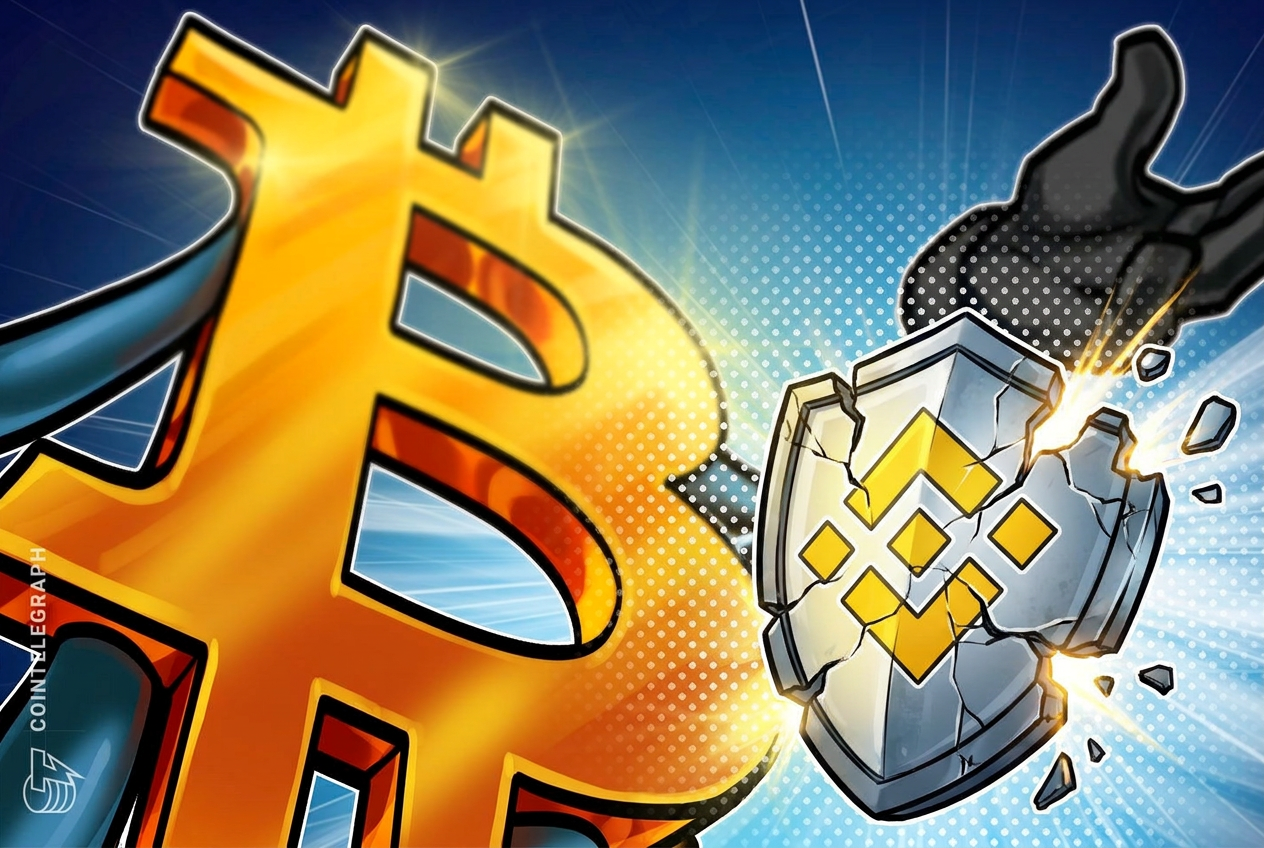
Market Reaction Exceeds Expectations Post-Binance Incident
In the wake of a recent security compromise affecting global cryptocurrency exchange Binance, the digital asset market has displayed a level of stability that has caught many industry observers by surprise. Rather than triggering widespread panic selling, Bitcoin held its ground with remarkable firmness, demonstrating an evolving market maturity that contrasts sharply with previous industry downturns.
Addressing the event, Matt Cole, Chief Executive Officer of Strive Asset Management, highlighted that the flagship cryptocurrency performed significantly better than anticipated under the circumstances. Security incidents at major exchanges historically trigger sharp capital outflows and steep price declines. However, the limited drawdown following the Binance breach suggests that current market participants are increasingly distinguishing between third-party venue vulnerabilities and the underlying network fundamentals of Bitcoin itself.
Long-Term Investment Case Remains Intact
For institutional investors monitoring the space, exchange-level operational hurdles do not inherently diminish the underlying value proposition of decentralized digital assets. Cole emphasized that the Binance security issue has in no way altered his long-term investment case for Bitcoin. As an asset built on open-source, cryptographic proof rather than centralized custody, Bitcoin's protocol-level security remains separate from the infrastructure of the platforms that facilitate its trading.
Strive Asset Management, known for its focus on shareholder value and financial fundamentals, views Bitcoin through a macro lens. Key drivers reinforcing this long-term perspective include:
- Decentralization: The fundamental operational mechanics of the Bitcoin network function independently of central custodians or intermediary service providers.
- Institutional Infrastructure: The growth of regulated spot exchange-traded funds (ETFs) and institutional-grade custody solutions provides diversified access points beyond centralized retail exchanges.
- Monetary Properties: Scarcity and programmatic supply issuance continue to attract investors seeking hedges against sovereign debt expansion and fiat currency debasement.
Caution Urged Against Prematurely Calling a Market Bottom
While the immediate market absorption of the bad news was positive, Cole cautioned market participants against adopting an overly euphoric outlook too quickly. In his assessment, declaring that the digital asset market has reached a definitive price bottom remains premature.
Establishing a sustainable market floor typically requires more than just surviving an isolated negative event. Analysts point to several ongoing macro and technical factors that could keep volatility elevated in the short to medium term:
- Global Liquidity Trends: Central bank interest rate policies and broader macroeconomic liquidity conditions continue to exert significant influence over risk assets.
- Regulatory Developments: Evolving legal frameworks across major financial jurisdictions create ongoing compliance overhead and structural uncertainty.
- Leverage and Derivatives Positioning: Market leverage in crypto derivatives markets can amplify price swings in either direction, potentially leading to cascading liquidations before a true floor is established.
Historical Perspective: Evolving Market Dynamics
The resilience observed following the Binance incident highlights how far the digital asset ecosystem has progressed over the past decade. In the early years of cryptocurrency adoption, events such as the 2014 collapse of Mt. Gox sent shockwaves through the entire market, resulting in prolonged multi-year bear markets due to the concentration of liquidity on single platforms.
Today, liquidity is far more fragmented across regulated venues, decentralized protocols, and institutional custodians. Consequently, while an exploit at a dominant exchange like Binance creates temporary market friction, it is less likely to pose a systemic threat to the overall ecosystem. Investors appear to be increasingly sophisticated, recognizing that centralized exchange failures represent counterparty risk rather than a failure of blockchain technology itself.
Looking Ahead: What Investors Should Watch
As the crypto market digests the aftermath of the Binance exploit, market participants will be closely watching several indicators to gauge future price action and structural health. On-chain metrics, exchange reserve transparency reports, and net flows into regulated investment products will provide valuable insight into investor sentiment.
Ultimately, while short-term caution remains warranted given broader economic uncertainties, the ability of Bitcoin to absorb major exchange disruptions underscores its growing durability as an alternative asset class. For long-term allocation strategies, the distinction between exchange security and network integrity remains the critical foundation for ongoing institutional involvement.
