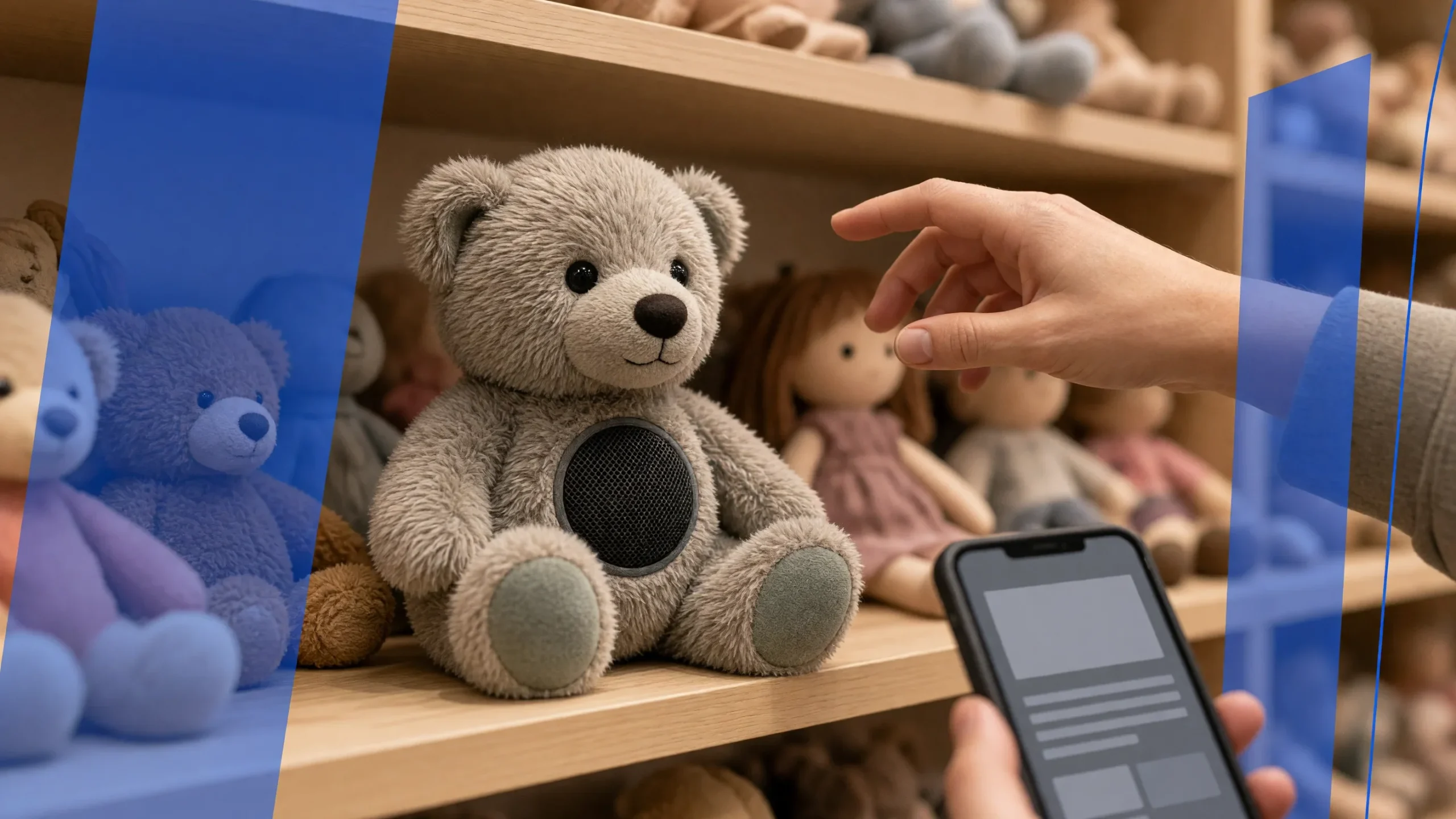
In an unprecedented regulatory move aimed at safeguarding youth privacy and mental development, the State of New York has officially enacted a comprehensive five-year moratorium on interactive toys featuring embedded artificial intelligence companions. The landmark legislation reflects growing unease among lawmakers, child safety advocates, and psychological experts regarding the rapid integration of conversational generative AI into products tailored for young children.
While generative artificial intelligence has expanded rapidly across consumer software, digital assistants, and workplace tools, its deployment within physical children’s toys represents a sensitive new frontier. State officials expressed concern that smart toys capable of holding human-like conversations, developing synthetic emotional bonds, and collecting continuous voice or behavioral data pose unique risks to developing minds.
Key Provisions and Implementation Timeline
The newly passed statute imposes a strict prohibition on the sale, distribution, and commercialization of children’s toys that incorporate real-time conversational AI companions. However, the law features a delayed implementation schedule that has caught the attention of industry analysts and consumer rights groups alike.
Key aspects of the legislation include:
- Effective Date: The moratorium is scheduled to take effect officially on February 22, 2027.
- Holiday Season Exemption: Because the ban does not take effect until early 2027, upcoming holiday shopping periods—including the late 2024, 2025, and 2026 shopping cycles—remain unaffected by the restriction.
- Scope of Coverage: The ban specifically targets physical toys designed for minors that rely on embedded, cloud-connected, or localized artificial intelligence to function as interactive companions.
- Duration: The restriction is set for a fixed five-year period, during which state agencies will study the long-term impacts of conversational AI on childhood development.
The lead time provided prior to the 2027 enforcement date gives manufacturers an extended window to reassess product designs, adapt compliance mechanisms, or pivot toward alternative educational technologies that do not rely on personalized AI companionship.
Psychological and Privacy Concerns Driving Regulation
The push for regulation stems from a combination of psychological, developmental, and cybersecurity concerns raised by pediatric health specialists and privacy advocacy organizations. Unlike traditional electronic toys that play pre-recorded audio files or respond to simple button presses, modern AI companions use advanced natural language processing to engage in dynamic, unscripted conversations.
Child development experts have warned that young children are particularly vulnerable to parasocial relationships—one-sided emotional bonds formed with artificial entities. Because young minds often struggle to distinguish between animated human traits and genuine empathy, continuous interaction with an AI companion could potentially alter how children learn social cues, navigate emotional conflicts, and build peer relationships.
Privacy experts have raised equally urgent concerns regarding data collection. AI-powered companion toys frequently rely on continuous audio recording, voice recognition algorithms, and cloud connectivity to analyze child interactions. Without robust oversight, such devices could harvest sensitive personal data, track domestic activity, or create detailed behavioral profiles of minors.
Impact on Toy Manufacturers and Consumer Tech
The toy industry has increasingly turned to smart technologies to capture market share, integrating microprocessors, voice assistants, and interactive generative models into teddy bears, robopets, and educational play sets. New York’s legislative ban signals a potential inflection point for tech-forward toy companies operating within the state.
Industry representatives argue that smart toys offer valuable educational opportunities, helping children practice language skills, learn foreign tongues, and foster creative storytelling. However, compliance departments must now navigate the legal boundaries established by New York law while evaluating how other jurisdictions might respond.
Several major manufacturers may choose to segment their product offerings, releasing non-AI or restricted versions of interactive toys in markets subject to moratoriums while selling full-featured versions elsewhere. Alternatively, tech firms may use the multi-year implementation window to develop enhanced privacy safeguards and age-verification protocols that address regulatory concerns before the 2027 deadline arrives.
Broader Legislative Trends and Future Outlook
New York’s five-year ban places the state at the forefront of digital safety legislation for minors, but it is unlikely to remain an isolated policy. Regulators across North America and Europe are increasingly examining how artificial intelligence intersects with consumer safety, data protection laws, and youth mental health.
The five-year duration of the moratorium is explicitly designed to function as a regulatory pause rather than a permanent prohibition. During this timeframe, academic researchers, child psychologists, and consumer advocacy panels will conduct empirical studies to measure how prolonged exposure to interactive AI impacts childhood cognitive growth and social behavior.
Depending on the findings gathered over the next five years, lawmakers may choose to replace the moratorium with permanent regulatory frameworks, strict safety certification standards, or revised data collection restrictions once the initial ban expires in 2032.
Conclusion
New York’s landmark legislative action highlights the expanding scope of AI regulation as advanced technologies penetrate everyday household products. By establishing a five-year moratorium set to begin in February 2027, the state aims to balance technological innovation with the imperative to protect vulnerable young consumers from unstudied psychological and privacy risks. As the enforcement date approaches, all eyes will be on how manufacturers, researchers, and legislative bodies adapt to this evolving legal landscape.
