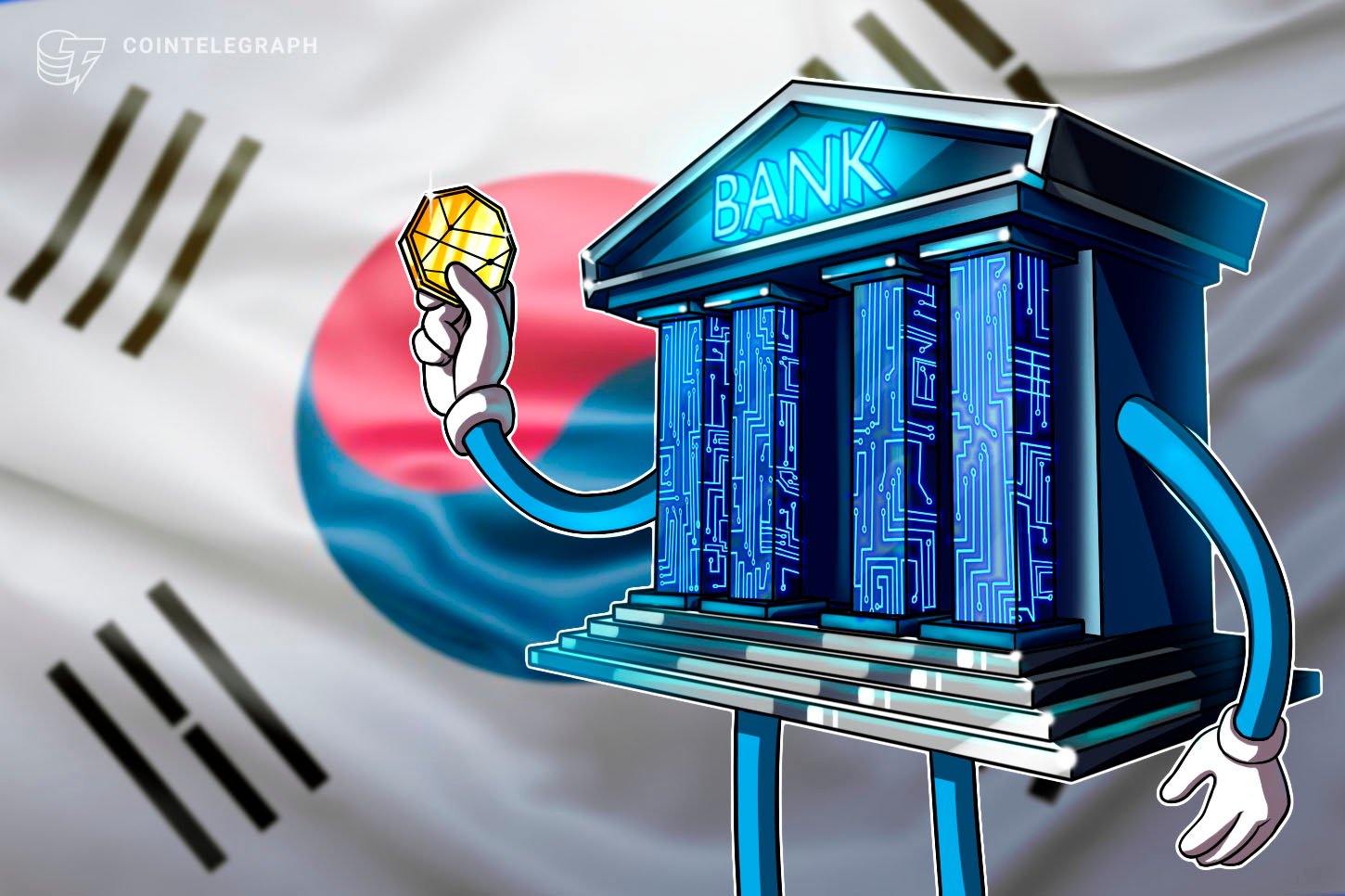
South Korea is taking a decisive step toward formalizing its digital asset ecosystem through a comprehensive draft bill aimed at regulating stablecoins. The proposed framework establishes a unique structural hybrid: while token issuance will primarily be anchored by traditional banking institutions to guarantee financial stability, technology and fintech companies will be permitted to act as key operators and hold the largest individual shareholdings in issuance entities. This balanced strategy signals a shift in focus from basic token creation to building robust, real-world utility across domestic and international financial rails.
A Dual Framework Balancing Safety and Innovation
The proposed legislation represents a calibrated middle ground in central bank and market oversight. By placing licensed banks at the center of stablecoin minting and redemption mechanisms, South Korean regulators aim to safeguard liquidity, ensure 1:1 reserve backing with fiat currency, and mitigate the systemic risks that have historically plagued algorithmic and unregulated private tokens. Banks bring decades of compliance experience, established anti-money laundering (AML) protocols, and stringent capital adequacy standards to the emerging sector.
Simultaneously, the regulatory structure recognizes that traditional financial institutions often lack the agility, digital user interface expertise, and technical infrastructure necessary to drive mass adoption. By permitting fintech platforms, technology conglomerates, and digital ecosystem developers to own dominant individual equity stakes in stablecoin ventures, the draft bill encourages tech-driven distribution models, seamless app integrations, and modern payment gateways.
Contextualizing South Korea’s Regulatory Landscape
South Korea has long maintained one of the world’s most active and liquid retail cryptocurrency markets. However, the market’s rapid expansion has historically been accompanied by significant volatility and regulatory scrutiny. The catastrophic collapse of the Terra ecosystem in 2022—which wiped out billions of dollars globally—left an indelible mark on South Korean financial regulators, prompting the Financial Services Commission (FSC) to enforce rigorous investor protection measures.
Following the implementation of the Virtual Asset User Protection Act, South Korean authorities turned their focus toward fiat-pegged digital currencies. A South Korean Won-denominated stablecoin has long been viewed as a missing piece in the national digital economy. Without a regulated domestic stablecoin, local crypto traders and institutional participants have traditionally relied heavily on U.S. dollar-pegged assets such as USDT and USDC, subjecting the local market to foreign exchange risks and capital outflow vulnerabilities.
Key Provisions of the Proposed Stablecoin Bill
While the draft bill continues to undergo legislative review and stakeholder consultations, several core principles define its structure:
- Bank-Led Issuance Architecture: Minting rights and reserve custody will be heavily restricted to registered commercial banks or bank-backed joint entities, ensuring strict reserve auditability.
- Fintech Equity Allowance: Non-banking entities, including major tech firms and payment service providers, can acquire leading individual shareholding stakes, enabling them to direct strategic operations and platform integration.
- Strict Capital and Reserve Requirements: Stablecoin issuers must maintain high-quality liquid assets, primarily bank deposits and short-term sovereign debt, matching 100% of outstanding circulating tokens.
- Regulatory Supervision: Dual oversight mechanisms will involve the Financial Services Commission and the Bank of Korea, ensuring monetary policy control and consumer protection.
- Cross-Border Settlement Compliance: Clear guidelines regarding foreign transaction limits, foreign exchange compliance, and identity verification for overseas transfers.
Shifting the Competition Beyond Token Issuance
Industry analysts emphasize that this draft legislation shifts the focus of the stablecoin race away from the simple act of issuing tokens toward the broader ecosystem surrounding their application. In traditional digital asset markets, revenue is primarily generated through token distribution fees and yield on reserve assets. Under South Korea’s proposed rules, the real competition will take place in value-added services built on top of the underlying currency infrastructure.
Fintech firms leveraging their major ownership stakes are expected to focus heavily on merchant payment networks, micro-remittance solutions, loyalty points integration, and decentralized finance (DeFi) compliance gateways. By embedding Won-denominated stablecoins directly into existing e-commerce platforms, chat applications, and mobile payment systems, South Korea could quickly establish one of the most integrated digital currency environments globally.
Global Alignment and Comparative Analysis
South Korea’s draft legislation reflects a growing international trend of tailored, multi-tiered stablecoin regulations. In Europe, the Markets in Crypto-Assets (MiCA) regulation has established strict reserve and operational requirements for electronic money tokens (EMTs) and asset-referenced tokens (ARTs). Similarly, Japan updated its Payment Services Act to permit licensed banks, trust companies, and registered fund transfer services to issue stablecoins, laying out a path comparable to South Korea’s bank-centric approach.
However, South Korea’s explicit provision allowing technology companies to hold dominant individual shares in stablecoin ventures sets it apart from more restrictive jurisdictions. This approach attempts to avoid pushing innovation overseas while maintaining a firm grip on systemic risk management. It positions South Korea as a potential blueprint for other Asian markets looking to bridge the gap between traditional banking institutions and technology conglomerates.
Strategic Outlook and Next Steps
As the draft bill progresses through the National Assembly, financial institutions and tech companies across South Korea are already evaluating prospective partnerships. Major commercial banks are actively exploring distributed ledger technology (DLT) architectures, while domestic tech giants are preparing payment API integrations to support fiat-backed digital tokens.
While questions remain regarding how yield on reserve assets will be distributed between banking custodians and fintech operators, the regulatory direction is clear. By establishing a robust legal framework for stablecoins, South Korea is laying the groundwork for a modernized, highly efficient digital financial infrastructure capable of supporting both domestic retail commerce and institutional cross-border settlements.
