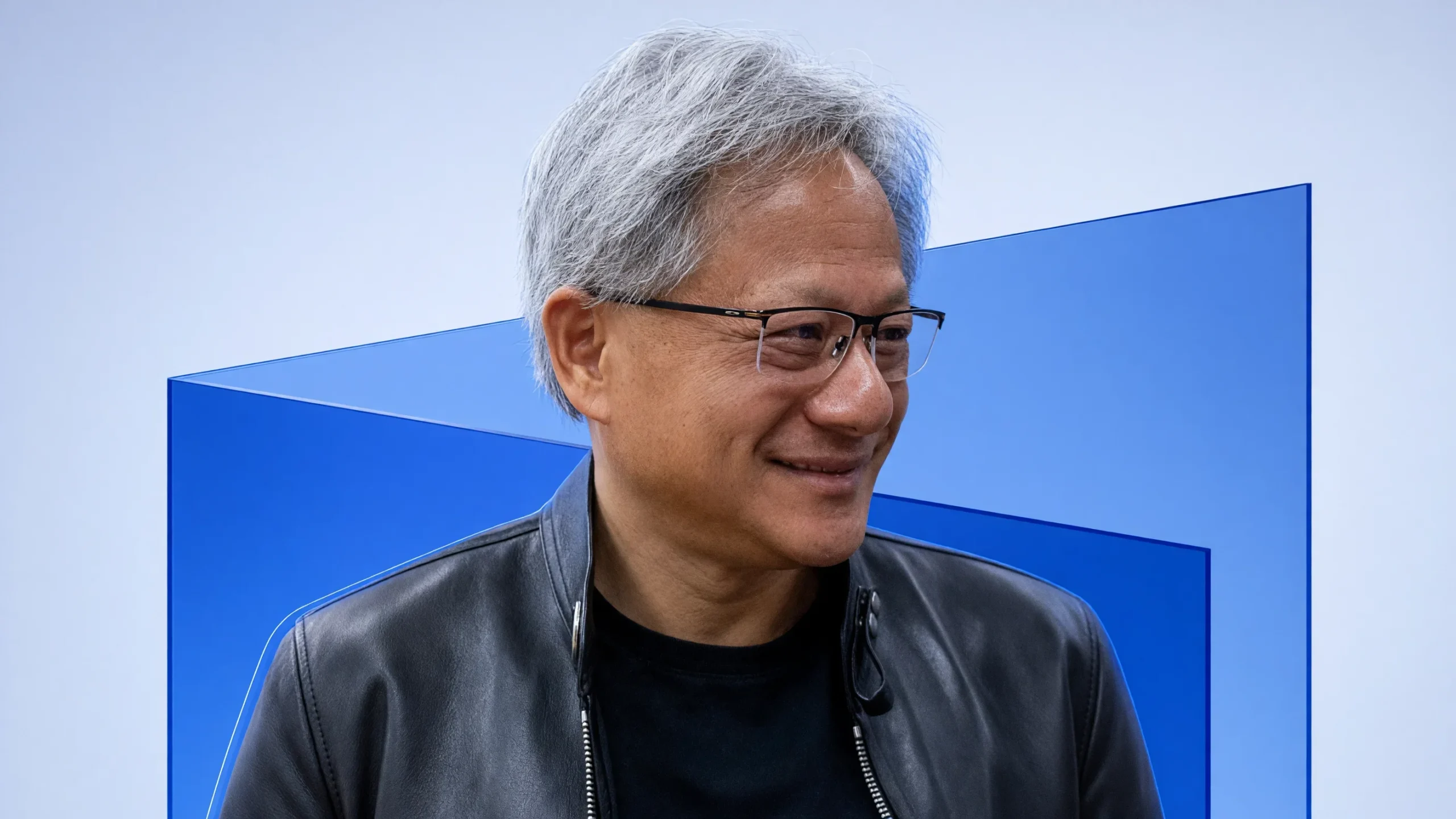
Speculation Surrounds Nvidia Leadership Ahead of Key Earnings Report
Discussions regarding a potential executive return have surfaced surrounding Nvidia Corporation, as key allies and industry stakeholders reportedly encourage the semiconductor giant’s board to consider leadership adjustments. According to reports initially published by the Financial Times, conversations have emerged about Jensen Huang potentially resuming a central executive role. However, despite intense market speculation, Nvidia’s established leadership transition remains officially intact. Colette Kress continues in her capacity as interim Chief Executive Officer while simultaneously serving as Chief Financial Officer, guiding the company toward its highly anticipated third-quarter earnings report scheduled for November 17.
The news comes at a critical juncture for Nvidia, which has established itself as the unquestioned heavyweight in hardware acceleration for artificial intelligence applications. Any prospective shift in top management naturally sends ripples across Wall Street and the global technology ecosystem. Industry analysts note that while informal discussions among major shareholders and board allies are common during high-stakes transition periods, formal corporate action requires board consensus and deliberate timing.
The Role of Colette Kress and Current Board Dynamics
Colette Kress, who has served as Nvidia’s Chief Financial Officer since 2013, assumed interim leadership duties to maintain operational continuity during a pivotal fiscal phase. Recognized widely across the financial sector for her disciplined capital management and transparent guidance, Kress has played an instrumental role in navigating Nvidia through successive hardware cycles, cryptocurrency market volatility, and the exponential surge in generative AI infrastructure demand.
Maintaining Kress at the helm ahead of the November 17 financial disclosure provides Wall Street with a steady hand during a period of rigorous audit scrutiny and quarterly reporting. Analysts stress that stability in the C-suite is paramount when communicating forward-looking guidance to institutional investors, especially given Nvidia’s outsized weight in major stock indexes like the S&P 500 and Nasdaq 100.
- Interim Leadership: Colette Kress continues to oversee executive decision-making and financial operations.
- Financial Oversight: The upcoming earnings call remains focused on data center revenues and next-generation architecture deployment.
- Governance Pressure: Strategic allies and prominent shareholders are weighing the long-term vision of founder-led guidance versus institutional governance models.
Investor Allies Push for Executive Stability
The reported movement among board allies highlights a broader debate within Silicon Valley regarding the role of visionary founders during eras of massive industry transformation. Jensen Huang, co-founder of Nvidia in 1993, oversaw the company’s evolution from a niche graphics processing unit (GPU) maker for video games into a multi-trillion-dollar engine driving global artificial intelligence development. Supporters argue that Huang’s deep technical expertise and strategic foresight are indispensable as competition in AI hardware intensifies.
Major enterprise customers, cloud service providers, and venture capitalists have expressed a preference for decisive executive leadership that can secure supply chains and maintain fast-paced innovation cycles. As tech giants like Microsoft, Alphabet, Amazon, and Meta commit tens of billions of dollars to capital expenditures for AI infrastructure, Nvidia’s leadership decisions carry direct implications for the entire technology ecosystem.
Nvidia’s Strategic Positioning in the AI Chip Boom
Nvidia’s commercial success over recent years stems from its early and comprehensive investments in the CUDA software platform, which created a deep moat around its graphics processing hardware. By tightly integrating software libraries with custom silicon designs, Nvidia made its chips the default choice for training complex large language models and running high-throughput inference tasks.
However, the competitive environment is shifting rapidly. Competitors like Advanced Micro Devices and Intel are introducing advanced accelerator solutions, while major cloud platforms are increasingly developing proprietary custom silicon to reduce hardware costs and dependency on a single supplier. In this evolving landscape, corporate leadership must balance immediate operational execution with long-term architectural innovation.
Key drivers currently shaping Nvidia’s market environment include:
- Supply Chain Execution: Managing complex advanced packaging capacity with key manufacturing partners.
- Competitive Architecture: Accelerating the rollout of new product architectures to maintain performance advantages.
- Software Ecosystem Expansion: Deepening enterprise adoption of proprietary AI software frameworks and enterprise suites.
- Regulatory Compliance: Navigating global trade policies and export restrictions on advanced semiconductor technologies.
What Lies Ahead for Semiconductor Governance
As the November 17 earnings date approaches, market observers will be watching not only the headline revenue and earnings figures, but also any formal commentary regarding executive succession and governance planning. Historically, tech enterprises that navigate leadership transitions cleanly manage to preserve market confidence, whereas prolonged governance uncertainty can introduce market volatility.
The situation at Nvidia mirrors similar leadership deliberations seen across the technology landscape, where founder influence remains a potent force even within mega-cap public corporations. Whether Huang officially assumes a renewed executive role or continues to influence strategy from an advisory position, the board’s immediate mandate remains clear: deliver predictable financial results and execute on the ambitious roadmap required to power the world’s expanding AI workload requirements.
Conclusion
The ongoing discussions regarding Nvidia’s leadership highlight the delicate balance between founder-led strategic vision and structured corporate governance. While internal board allies advocate for executive continuity under established visionaries like Jensen Huang, interim CEO Colette Kress remains firmly in charge as the company prepares for its crucial financial reporting milestone. For investors and industry partners alike, Nvidia’s ability to maintain focus amidst executive deliberations will be key to sustaining its market leadership in the fast-evolving artificial intelligence landscape.
