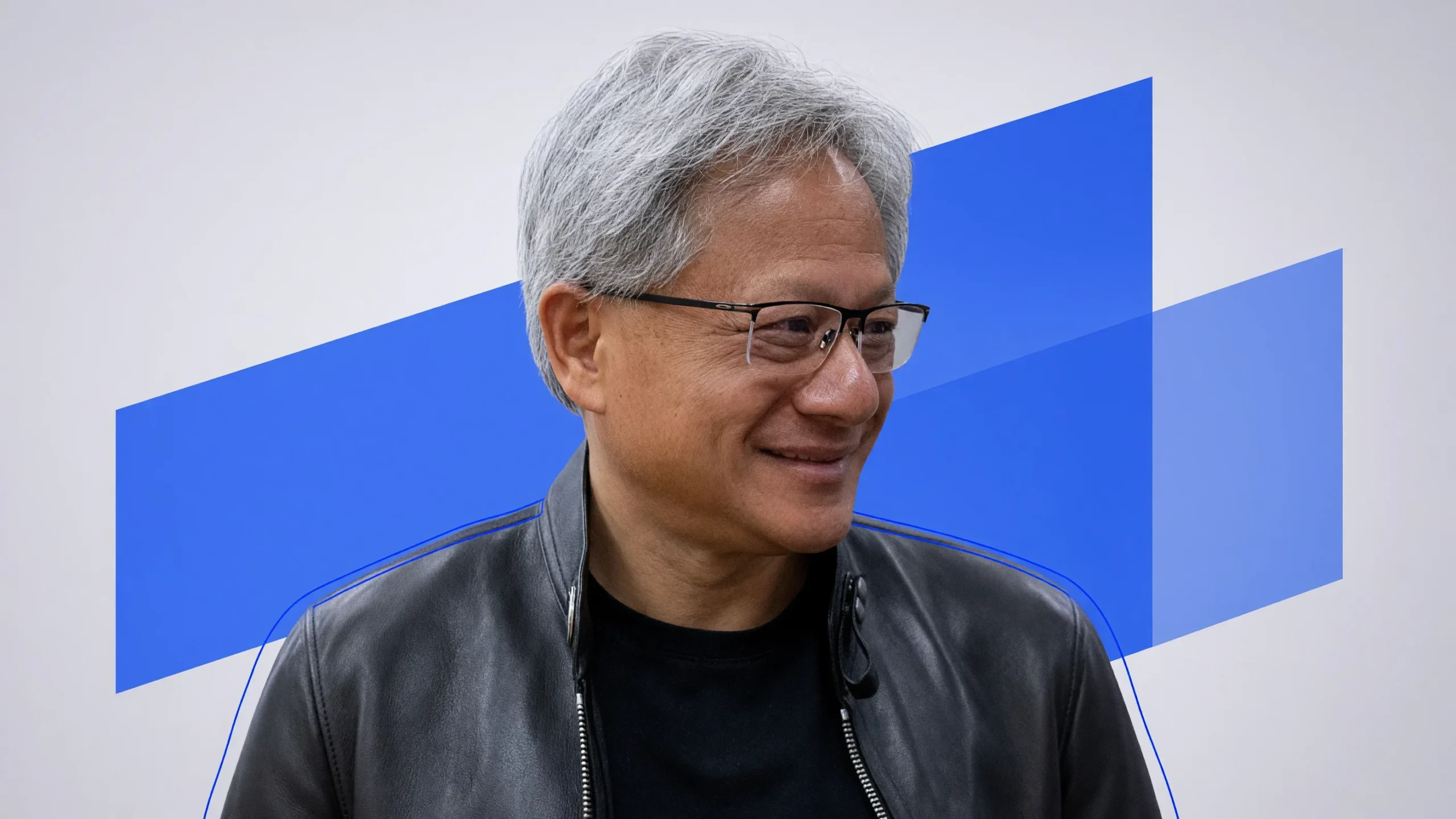
United States legislative scrutiny surrounding the export of high-performance microprocessors has reached a new threshold. A Congressional inquiry led by Senator Scott is preparing to examine how advanced semiconductor technology is monitored and controlled when shipped to foreign markets. As part of this targeted oversight effort, Nvidia Chief Executive Officer Jensen Huang and Commerce Secretary nominee Howard Lutnick have been requested to deliver formal testimony before lawmakers in Washington.
According to committee scheduling details, Huang has been asked to appear before the panel on December 3, followed by Lutnick on December 10. A spokesperson for the Department of Commerce confirmed that official participation will occur voluntarily, highlighting a mutual willingness between government regulators and tech leaders to address pressing questions over international trade policies and national security safeguards.
High-Stakes Inquiries Target the AI Supply Chain
The upcoming Capitol Hill proceedings reflect growing bipartisan alarm over the proliferation of cutting-edge artificial intelligence hardware across global borders. Over the past two years, the United States federal government has progressively tightened restrictions on the sale of top-tier graphics processing units (GPUs) to strategic foreign competitors, particularly China and select countries in the Middle East.
Nvidia, headquartered in Santa Clara, California, occupies the center of this debate as the predominant supplier of chips required to train and deploy modern large language models. The upcoming hearings aim to evaluate whether existing trade rules sufficiently prevent restricted silicon from falling into the hands of rival foreign militaries or state-sponsored surveillance operations.
Lawmakers are expected to question Jensen Huang regarding Nvidia's product development strategies, including the engineering of tailored processors designed to meet specific regulatory bandwidth limits. Simultaneously, Howard Lutnick's scheduled appearance on December 10 will provide insight into how executive branch agencies intend to enforce export regulations moving forward while balancing domestic commercial interests.
The Balancing Act Between Commerce and National Security
At the heart of the Congressional inquiry is the delicate equilibrium between supporting American technological supremacy and preserving national defense assets. Silicon Valley leaders have frequently argued that overly restrictive export barriers risk incentivizing foreign nations to accelerate their own indigenous semiconductor development, ultimately eroding America's long-term market dominance and revenue foundation.
Conversely, defense analysts and policymakers caution that unchecked exports of state-of-the-art computational infrastructure could significantly diminish the technological advantage held by Western defense forces. The upcoming testimonies will explore several critical policy dimensions, including:
- End-Use Verification: Assessing how effectively federal agencies track exported hardware once it leaves American shores to prevent unauthorized diversion through third-party intermediaries.
- Third-Party Transshipment Hubs: Examining potential regulatory gaps in intermediate nations that might allow embargoed technologies to bypass primary trade sanctions.
- Customized Hardware Limits: Reviewing whether lower-specification chips engineered for international compliance pose latent security vulnerabilities or risks of retrofitted enhancement.
- Economic Policy Alignment: Ensuring that federal enforcement frameworks under the Commerce Department maintain clear guidelines without creating unnecessary administrative bottlenecks for compliant domestic firms.
Regulatory Oversight and the Role of the Commerce Department
The Commerce Department plays a pivotal role in implementing foreign trade controls through its Bureau of Industry and Security (BIS). The agency routinely updates performance thresholds for computational capability and interconnect bandwidth, forcing hardware manufacturers to continuously re-evaluate their international product lines.
Jensen Huang's participation provides a crucial corporate perspective on how semiconductor firms adjust their research and supply chains in response to shifting regulatory frameworks. Under Huang's leadership, Nvidia has successfully scaled to become one of the world's most valuable enterprises, making its compliance strategies a critical benchmark for the wider technology sector.
Meanwhile, Howard Lutnick's appearance will focus heavily on administrative implementation. As a prominent financial services executive and key figure in trade policy discussions, Lutnick's testimony will offer a glimpse into future regulatory postures, export licensing procedures, and tariff considerations that could reshape global tech distribution channels.
Geopolitical and Market Implications
The announcements regarding the December hearings have captured immediate attention across financial markets and global tech ecosystems. Investors are closely monitoring the proceedings for indications of potential new legislative restrictions that could affect sales projections for advanced GPU architectures, including Nvidia's Hopper and Blackwell product lines.
Beyond immediate market reactions, the inquiry underscores a fundamental shift in how international trade is managed in the artificial intelligence era. High-end computing power is now widely treated as a strategic national resource, subject to similar diplomatic and trade considerations as critical energy supplies or raw materials.
International partners and rival economies alike are carefully analyzing the proceedings to gauge how strictly the United States intends to enforce international supply chain boundaries. Any signals of tightened controls could alter supply strategies for tech conglomerates and cloud infrastructure providers worldwide.
Conclusion: Setting the Stage for Future AI Trade Policy
The scheduled Congressional appearances of Jensen Huang on December 3 and Howard Lutnick on December 10 mark a vital juncture in United States technology policy. As artificial intelligence capabilities advance rapidly, federal lawmakers are determined to ensure that national security priorities remain closely aligned with commercial export practices.
By bringing industry leadership and executive branch oversight together under formal legislative review, the Senate panel aims to establish clear, enforceable standards that protect strategic interests while allowing American innovation to thrive. The outcome of these December hearings is poised to shape global semiconductor trade policy and high-tech supply chains for years to come.
