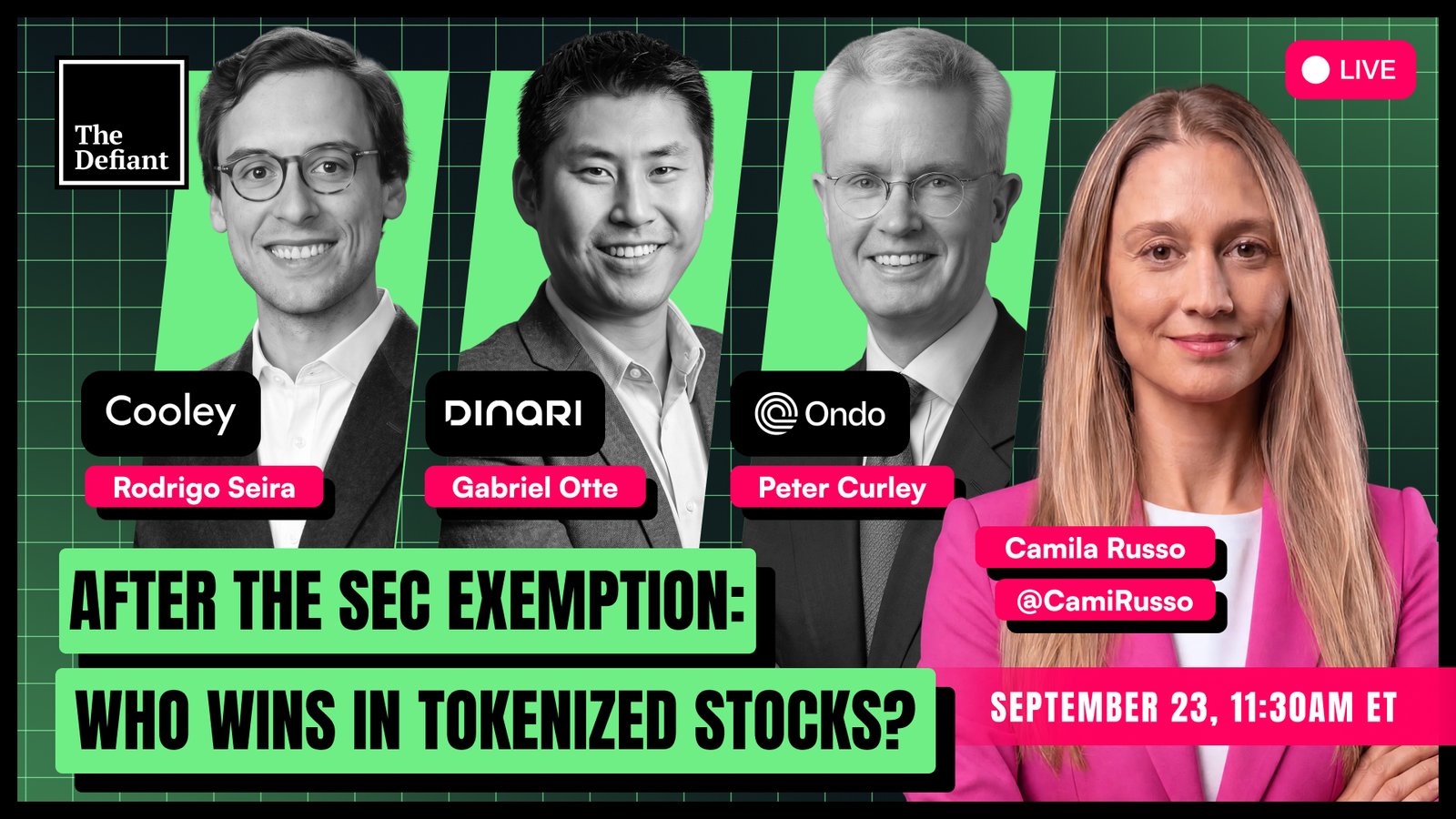
A New Chapter for On-Chain Equity Markets
The convergence of traditional finance and blockchain technology has reached a critical inflection point. Following regulatory exemptions and updated guidance from the U.S. Securities and Exchange Commission (SEC), financial engineers and decentralized technology builders are re-evaluating how equities should be represented on public and permissioned ledgers. For years, market participants operated in legal gray zones or utilized offshore structures to offer digital exposure to publicly traded securities. Today, explicit regulatory avenues have reopened the fundamental architectural debate: should a tokenized stock represent a direct, legally enforceable claim on an underlying share, or a synthetic derivative that merely tracks its market price?
This structural distinction is far more than a technical detail. It dictates the legal rights of token holders, the regulatory burdens placed on issuers, the nature of counterparty risk, and the seamless integration of traditional capital into decentralized finance (DeFi) protocols.
Direct Tokenized Equities: Ownership Reimagined
Direct tokenization involves issuing digital tokens that carry a genuine legal claim to real-world shares held in custody by regulated broker-dealers or trust companies. Under this model, each token corresponds 1:1 with an actual share of stock deposited in a recognized depository institution.
Proponents of direct tokenization emphasize the alignment with traditional investor protection frameworks. Key features of direct stock tokens include:
- Shareholder Rights: Investors who hold direct tokens often retain proportional rights to corporate actions, such as stock splits, cash dividend distributions, and in some architectural designs, proxy voting privileges.
- Bankruptcy Protection: Because the tokens represent direct claims on segregated underlying assets held by a custodian, token holders are generally protected from the insolvency of the token issuer.
- Regulatory Clarity: Operating within established securities frameworks, direct tokenization aligns with broker-dealer regulations, transfer agent requirements, and existing clearing systems.
However, the direct model comes with trade-offs. Ensuring compliance requires strict identity verification at the smart contract level. This can restrict transferability, limit automated market maker liquidity pools, and prevent frictionless integration into permissionless financial protocols.
Synthetic Stock Tokens: Prioritizing Capital Efficiency and Accessibility
In contrast to direct claims, synthetic tokenized stocks are derivative contracts engineered to track the price movements of underlying equities without requiring actual ownership of the share itself. These instruments rely on collateralized debt positions, smart contracts, and decentralized price oracles to mirror asset performance.
Synthetic models gained traction during earlier DeFi cycles due to several distinct operational advantages:
- Permissionless Accessibility: Synthetic tokens can often be minted, traded, and integrated into decentralized lending platforms without requiring individual investor onboarding or geographical restrictions.
- Fractional and Perpetual Exposure: Issuers can easily facilitate 24/7 trading, micro-fractional shares, and complex derivative strategies like leveraged exposure or short positions.
- Operational Simplicity for Issuers: Synthetic issuers avoid the administrative overhead of maintaining physical custody accounts with traditional clearing houses and managing corporate actions across global jurisdictions.
Despite these efficiencies, synthetic instruments carry heightened structural risks. Token holders face significant counterparty exposure to the collateral pool backing the synthetic asset. Furthermore, if market volatility causes oracle errors or rapid liquidations, synthetic tokens can de-peg from the real-world value of the equity they intend to mirror. Crucially, synthetic holders possess no legal claim to corporate dividends or voting power.
Evaluating Key Differences: Direct vs. Synthetic
To understand which model may dominate the future landscape, market participants evaluate several critical operational vectors:
- Legal Enforcement: Direct tokens offer recourse through traditional judicial and bankruptcy systems, whereas synthetic tokens rely primarily on code execution and protocol solvency.
- Regulatory Burden: Direct issuers must obtain securities licenses or rely on explicit SEC exemptions, while synthetic protocol developers face ongoing legal scrutiny regarding unregistered derivatives offerings.
- Composability: Synthetic tokens are generally easier to plug into decentralized lending, borrowing, and yield protocols, whereas direct tokens require permissioned, whitelist-gated environments.
- Liquidity Depth: Direct tokens tap into primary Wall Street liquidity through custodian conversions, while synthetic tokens rely on internal collateral pools and decentralized liquidity providers.
Regulatory Impact of the SEC Exemption
The SEC’s recent regulatory clarity has significantly altered the risk-reward calculus for financial institutions and crypto-native issuers. By granting conditional exemptions or providing clear sandbox boundaries for equity tokenization, regulators are signaling a willingness to modernize capital markets infrastructure.
This shift heavily favors compliant, direct-claim models. Institutional asset managers, traditional exchanges, and regulated fin-tech platforms are far more likely to deploy capital into tokenized assets that satisfy strict custody and compliance standards. Conversely, regulatory scrutiny on synthetic assets—particularly those operating without registration—remains high, as authorities seek to curb unregulated derivatives markets.
Conclusion: A Bifurcated On-Chain Economy
The debate between synthetic and direct tokenized stocks does not necessarily require a single winner. Instead, the market appears to be heading toward a bifurcated ecosystem. Institutional investors, high-net-worth individuals, and regulated entities will overwhelmingly favor direct tokenized equities for their legally enforceable rights, security, and institutional liquidity. Simultaneously, synthetic instruments may continue to serve specialized niches within permissionless DeFi, offering synthetic exposure for trading algorithms, cross-border retail participants, and yield strategies.
As regulatory pathways become clearer, the bridges connecting traditional Wall Street infrastructure with public blockchain networks will grow stronger, paving the way for a more efficient, transparent, and globally accessible financial architecture.