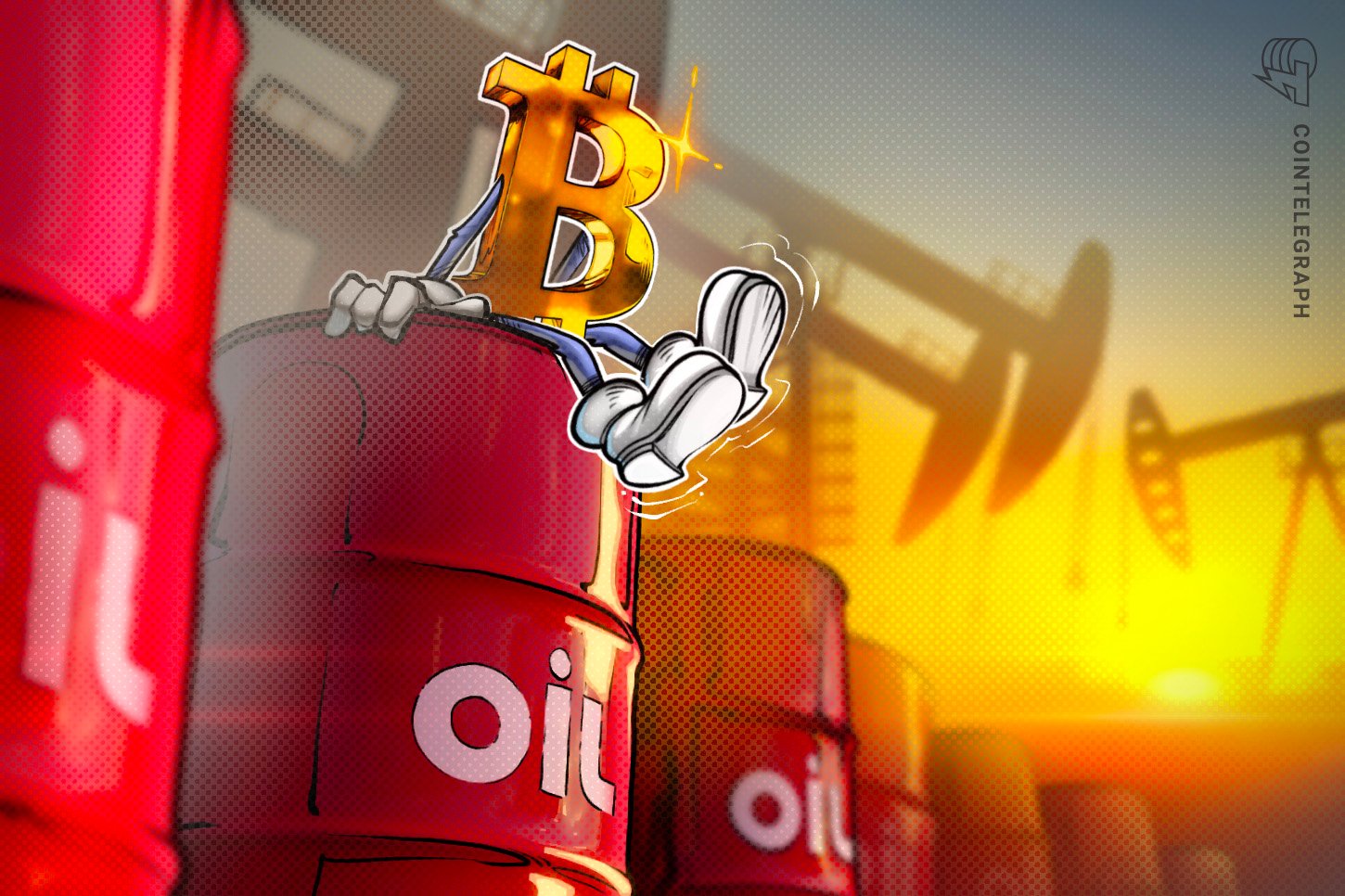
Global financial markets experienced a dramatic realignment as Bitcoin rallied beyond $79,000, approaching the psychologically critical $80,000 threshold, while international crude oil benchmark prices plummeted. The swift market movements followed recent comments from U.S. President Donald Trump, who signaled a potential conclusion to active military conflict and heightened diplomatic tensions involving Iran. The prospect of de-escalation immediately reshaped global risk sentiment, encouraging investors to rotate out of traditional geopolitical hedge assets and back into high-growth digital assets.
De-escalation Signals Trigger Global Market Pivot
Geopolitical friction in the Middle East has long served as a primary driver of global market uncertainty. When military hostilities or potential supply disruptions threaten key maritime choke points—most notably the Strait of Hormuz—energy markets typically price in a substantial geopolitical risk premium. This risk premium historically inflates energy costs, fuels widespread inflationary pressures, and prompts institutional investors to take defensive financial postures.
However, recent public statements from President Trump indicating that military engagement with Iran could soon draw to a close effectively dismantled a significant portion of that risk premium in a matter of hours. Energy traders moved quickly to unwind long positions in crude oil, anticipating a return to normalized trade flows and reduced risk of supply chain interruptions. Concurrently, broader capital markets responded with newfound optimism, laying the groundwork for a cross-asset rally led by major digital currencies.
Cryptocurrency Gains Momentum Amid Risk-On Sentiment
Bitcoin’s rapid surge past $79,000 highlights the market’s expanding appetite for risk-on assets during periods of macro relief. After consolidating within lower trading bands during peak geopolitical uncertainty, the flagship cryptocurrency demonstrated remarkable resilience, breaking through key technical resistance levels in short order.
The move toward $80,000 underscores a broader shift in institutional and retail market behavior. While Bitcoin is frequently debated as a digital safe haven, its short-term price action often correlates closely with macro liquidity expectations and overall market risk tolerance. As fears of an extended Middle Eastern conflict abate, capital flows into digital asset ecosystems have picked up significantly.
In addition to geopolitical developments, institutional liquidity channels have played a decisive role in propelling Bitcoin forward. Spot Bitcoin exchange-traded funds (ETFs) recorded noticeable inflows as macro uncertainty eased. Derivative market metrics, including futures open interest and funding rates, also reflected a dramatic shift toward bullish positioning. Traders who had previously hedged against prolonged market instability dismantled short exposure, triggering a series of order executions that accelerated Bitcoin’s momentum toward record territory.
Crude Oil Deflates as Geopolitical Risk Premium Fades
In stark contrast to the crypto market’s enthusiasm, crude oil markets faced a sharp sell-off. Both West Texas Intermediate (WTI) and Brent crude futures retreated from their elevated levels, reflecting reduced anxiety regarding regional production outages. Energy analysts point out that sustained peace would keep regional infrastructure operating without interruption and ensure maritime trade routes remain open for major exporters.
From a supply perspective, global energy markets had spent weeks pricing in worst-case scenarios, including potential blockades of crucial trade arteries. With roughly a fifth of global petroleum consumption passing through narrow regional maritime corridors, any hint of conflict escalation creates extreme price volatility. President Trump’s statements effectively removed the immediate fear of structural supply disruptions, allowing market fundamentals—such as current inventory levels and steady global production output—to take precedence over fear-based speculation.
Lower oil prices carry significant macroeconomic implications for global economies. High energy costs act as a persistent headwind against central bank efforts to control consumer price inflation. By relieving pressure on energy markets, the prospect of lower fuel costs alleviates inflation concerns, giving central banks around the world greater flexibility when determining benchmark interest rates.
The Macro Connection: How Energy, Inflation, and Crypto Intersect
The simultaneous rise in Bitcoin and fall in crude oil prices illustrates the intricate web connecting geopolitical news, commodity pricing, and financial liquidity. When energy prices drop, the global economy benefits from a dual tailwind:
- Reduced Inflationary Pressure: Lower transportation and manufacturing input costs help moderate broad consumer price indices across major industrial nations.
- Eased Monetary Policy Expectations: Central banks are less compelled to maintain restrictive interest rate stances when energy shocks diminish.
- Increased Market Liquidity: Expectations of lower borrowing costs foster greater capital allocation into speculative and growth-oriented asset classes, including cryptocurrencies.
This dynamic creates a fertile environment for digital assets. Investors who had previously parked capital in defensive positions, such as energy futures or cash equivalents, are increasingly reallocating resources into markets that benefit from expanding global liquidity.
Key Technical and Fundamental Indicators to Watch
As market participants digest the latest geopolitical developments, several key metrics will dictate whether Bitcoin can permanently claim the $80,000 level and if oil prices will stabilize:
- Diplomatic Progress: Concrete steps toward formal agreements or official ceasefires between involved parties will be necessary to sustain market confidence over the coming weeks.
- Central Bank Reaction: How monetary authorities interpret falling energy prices will influence long-term equity and crypto market valuations.
- Bitcoin On-Chain Metrics: Exchange reserve balances, institutional ETF net inflows, and trading volumes around the $80,000 price point will signal long-term buyer conviction.
- OPEC+ Strategy: The response of major oil-producing nations to falling crude prices could introduce new supply-side adjustments to prevent sharp price collapses.
Conclusion
The dramatic market response to potential US-Iran de-escalation underscores how sensitive global capital markets remain to geopolitical headlines. Bitcoin’s ascent toward $79,000 and beyond, paired with a distinct cooling in crude oil prices, marks a clear transition toward heightened risk tolerance and broader economic optimism. If geopolitical stability is maintained and inflationary headwinds continue to dissipate, digital assets may find a solid foundation for sustained momentum in the near future.