Strategic Shifts in Remote Workforce Infiltration
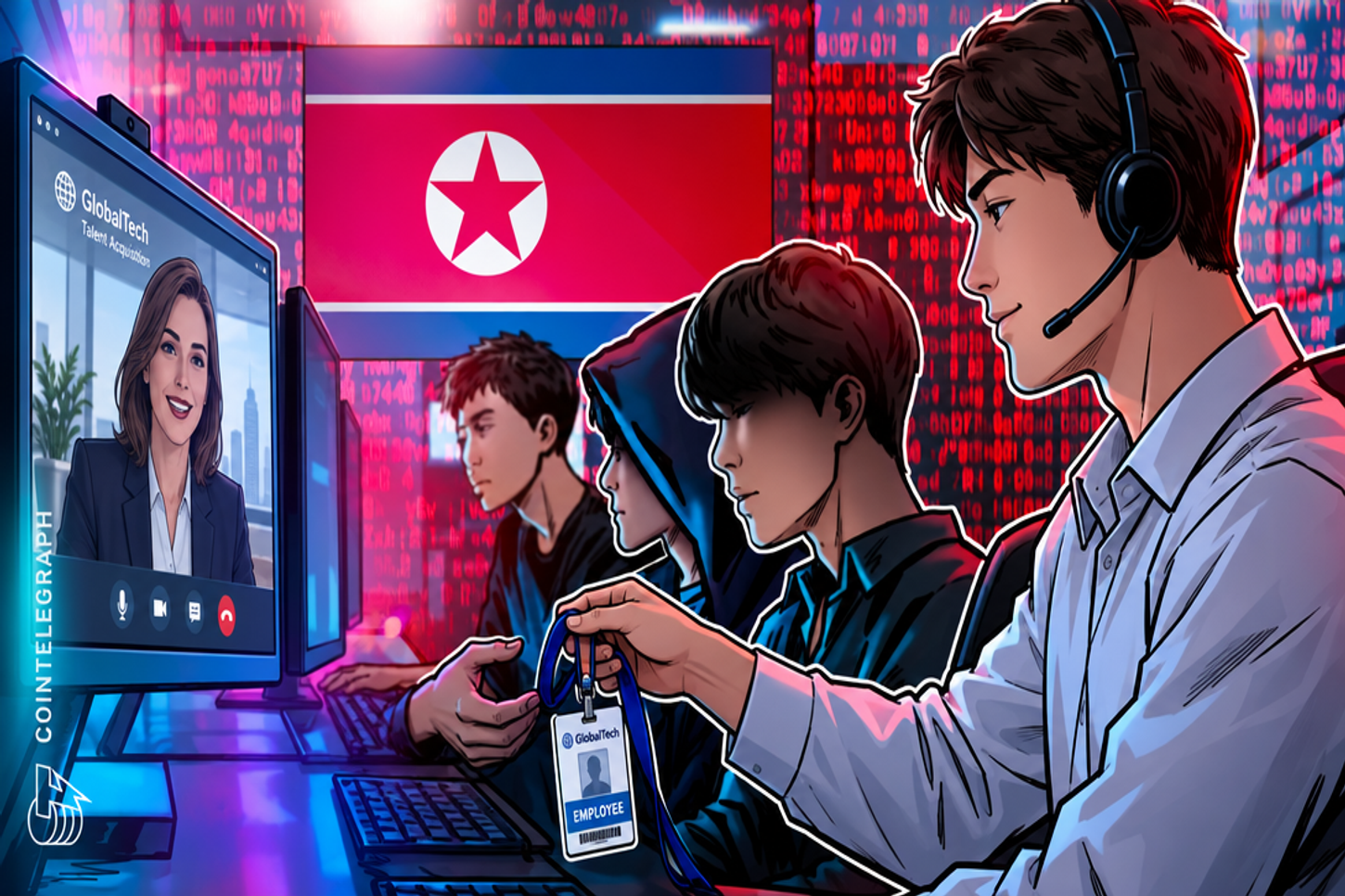
North Korea is continuously refining its covert operations targeting Western technology firms, adopting increasingly sophisticated methods to bypass corporate hiring filters. According to recent cyber threat intelligence reports, Democratic People’s Republic of Korea (DPRK) state-sponsored actors are now enlisting foreign IT professionals from third-party nations to complete job interviews on their behalf. Once these third-party proxies secure remote employment offers, the actual day-to-day operations and access rights are transferred directly to North Korean operatives.
How the Proxy Hiring Scheme Functions
The updated tactics represent an evolution in North Korea’s long-standing remote worker fraud campaign. Historically, DPRK operatives relied on stolen or falsified identities, fake resumes, and AI-generated avatars to pass remote interview processes. However, as corporate human resources departments and security teams implemented stricter identity verification protocols, North Korean networks adapted by integrating human proxies based outside both the United States and North Korea.
The operational workflow generally follows a distinct multi-stage pattern:
- Proxy Interviewing: Foreign talent fluent in English and technically proficient is hired to participate in real-time video interviews, technical assessments, and HR screenings.
- Credential Handoff: Upon receiving an offer letter and onboarding materials, the proxy surrenders access credentials, internal communications accounts, and corporate email accounts to North Korean handlers.
- Remote Management and Access: Physical corporate hardware, such as company-issued laptops, is routed to intermediary addresses or specialized proxy facilities known as ‘laptop farms.’ DPRK operatives then use remote desktop software to access these devices, making their network traffic appear as if it originates within approved geographic regions.
Financial and National Security Implications
The primary motivation behind these remote hiring operations remains twofold: generating hard currency for the cash-strapped regime and securing high-level administrative access to sensitive corporate infrastructure. The United States Department of Justice (DOJ) and the Federal Bureau of Investigation (FBI) have repeatedly warned that revenue generated from remote IT workers directly funds North Korea’s prohibited weapons programs.
In addition to funneled salaries, which often amount to millions of dollars annually across coordinated networks, companies face severe cyber risk. DPRK operatives embedded within enterprise networks gain elevated privileges, providing opportunities to exfiltrate proprietary source code, steal customer data, deploy ransomware, or install backdoors for future cyberespionage activities.
Regulatory Responses and Corporate Defenses
Federal authorities in the United States, alongside international security partners, have stepped up enforcement actions against individuals and facilitators involved in IT worker fraud schemes. Recent federal indictments have targeted domestic accomplices who operated laptop farms and assisted in laundering illicit payroll funds back to Pyongyang.
Security experts emphasize that organizations must update their vetting procedures to mitigate the risks associated with remote hiring schemes. Recommended countermeasures include:
- Implementing mandatory in-person identity verification or trusted third-party verification services prior to hardware dispatch.
- Monitoring remote connectivity for indicators of unauthorized remote desktop protocols (RDP) and unexpected network jumps.
- Conducting unannounced video check-ins and cross-referencing biometric features with initial interview recordings.
- Restricting hardware shipment destinations exclusively to verified residential addresses tied directly to tax documentation.
Conclusion
The deployment of foreign proxies highlights North Korea’s agility in exploiting global remote work trends to evade international sanctions. As corporate reliance on distributed remote teams continues, defense against DPRK infiltration requires heightened vigilance from both human resources personnel and cybersecurity operations teams. Without rigorous identity authentication and network monitoring, businesses remain vulnerable to becoming unwitting funding sources and vectors for state-sponsored cyber exploitation.